
About a year ago, I was having a discussion with my financial planner, mapping out realities of my travel-more, work-less future. I was worrying aloud about my current expenses and she said to me, “You’re doing fine. I don’t have to worry about you,” she contInued. “You’re usually so frugal that you can splurge and do something you’ve always dreamed about. In the end, your memories and life experiences will be way more fulfilling than a few more dollars in the bank. Buy the ticket to where you really want to go.”
I hung up the call and sat with that a moment. Where did I really want to go? It didn’t take long before a smile crossed my face.
Australia!
I wanted to explore the world down under and, in doing so, complete my dream of traveling to all seven continents. So, during this off-season, with five months of vacation before I return to my job in Alaska, I’ve come to the southern hemisphere to explore Australia, Tasmania and New Zealand.
First Stop: Sydney, Australia
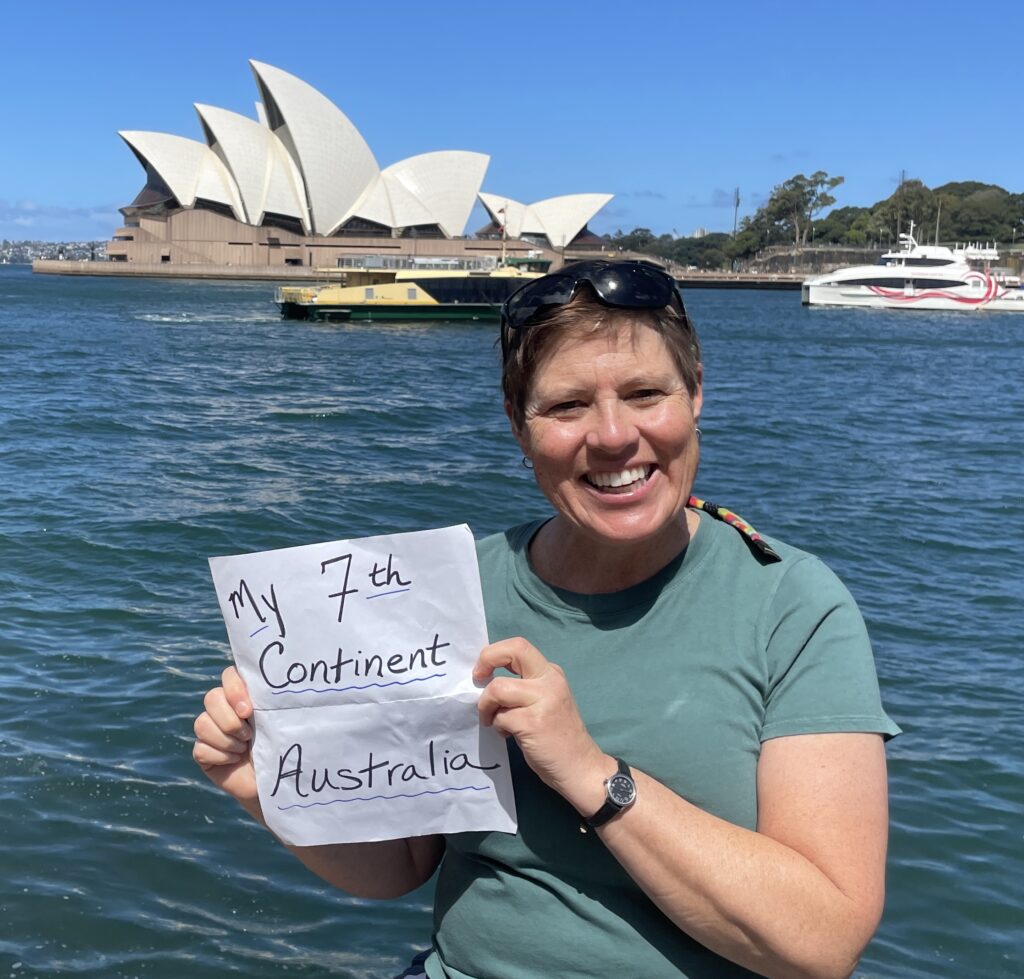
I did it! I’ve traveled to, or lived in, all Seven Continents:
North America, Europe, Asia, Africa, South America, Antarctica and now, Australia!
Syndey is a marvel. It’s vibrant, stunning, safe, clean, and so easy to explore. The people are kind and easy-going, always ready to share a laugh over my confusion with their wacky terminology. I have initiated conversations with many during a ferry ride, sitting on a beach or even standing at a stoplight. Everybody has a smile and helpful tip to share.
While wandering around the main tourist areas, I realized that the focal point of Sydney is the harbors. It was explained to me straight-away that Sydney is built on a piece of land shaped like your stretched-out hand. The center of Sydney is your palm, but all the “suburbs”, or neighborhoods, are scattered throughout your fingers. So, from any place in the region, you are always looking outward toward water. In each of the bays between your fingers lies distinctive harbors and beaches – oodles of beaches and coastline – to explore!
Circular Quay, pronounced “key”, pulses day and night as the heart of Sydney’s harbors. Filled to the brim with restaurants, hotels, parks and walkways, it was my favorite place to watch the locals sailing, rowing, and the gazillions of state run ferries darting back and forth across the harbor. I walked a lot, but I particularly savored those ferry rides to visit different parts of Sydney.


Day One in Sydney and what cruise ships do I see? The Celebrity Edge and then the Solstice and Anthem of the Seas!- I serve these cruise ships with my tours in Skagway, Alaska. They left Alaska in October and obviously headed to warmer waters for the winter – just like me!
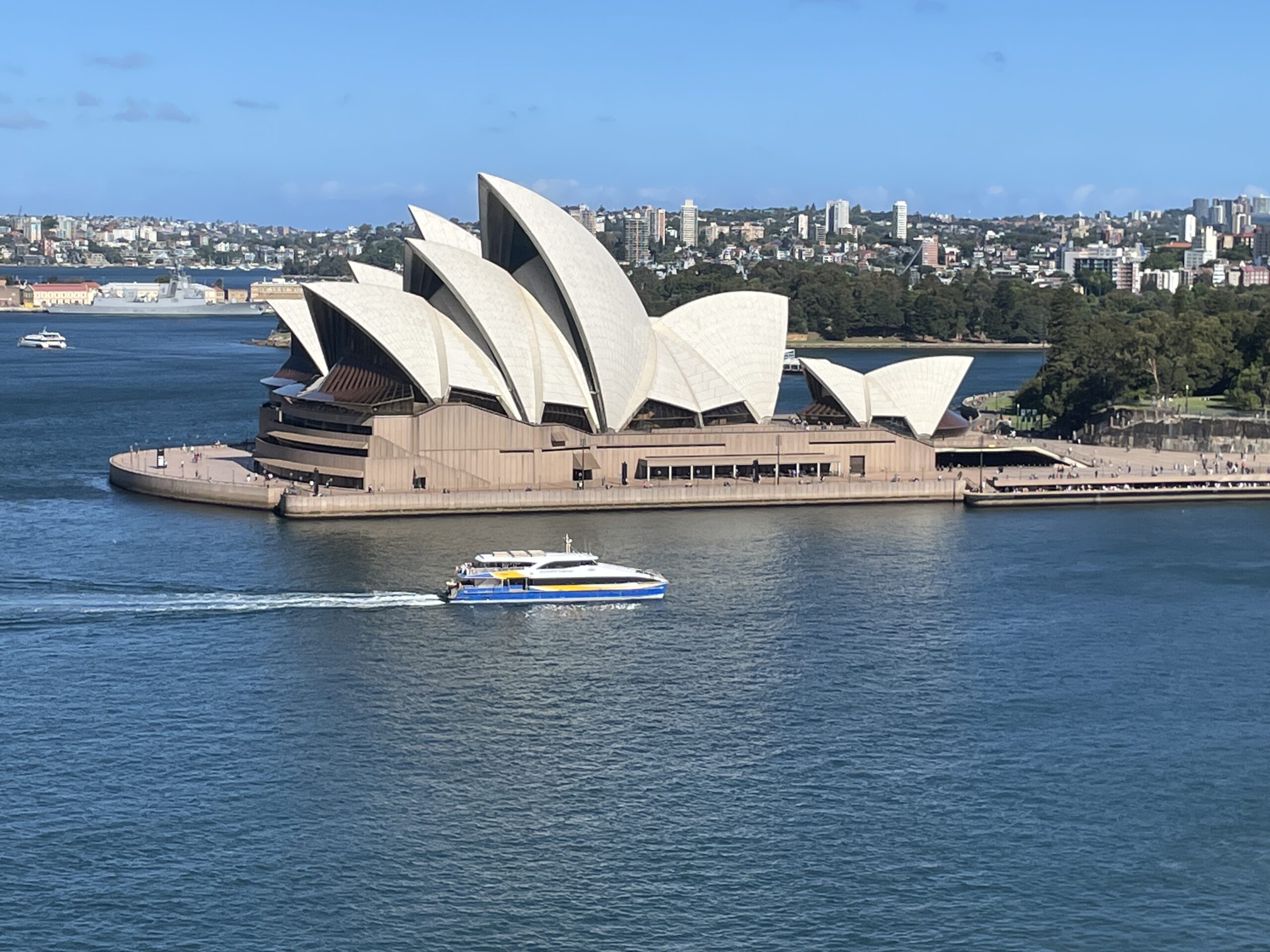
Buttressing Circular Quay is the massive Sydney Harbor Bridge and the iconic Sydney Opera House. The bridge, completed in 1932, is historically considered Sydney’s “Iron Lung” as this public works project was the city’s lifeline through the depression.
The Opera House was originally designed by a Danish architect who won a competition in 1957. Unfortunately, because of cost overages and construction problems – the roof was particularly finicky – he ended up resigning and never returned to see it finished. An Australian team of architects finalized the project and it officially was opened in 1973 by Queen Elizabeth. The sailing roof lines are made up of over one million ceramic tiles covering a multitude of concert halls and outdoor venues. Boasting over 2,000 events annually, this UNESCO World Heritage Site is certainly a cultural gem of this city. It was fun to watch all the fancy people walking along the Quay on their way to various performances.


I didn’t pay for a ticket to a cultural experience, but I did catch a glimpse of a private party in an outdoor bar featuring a local artist playing his didgereedoo.
Early Sydney and The Rocks
Beyond the harbors, Sydney’s story turns to its origins. Every public sign, tour, and event in Australia begins with an acknowledgement that this land will always be the land of the original Indigenous or Aboriginal people. Australia is clearly making an effort at reconciliation and education about the land’s traditional caretakers who have called this place home for more than 60,000 years. In fact, the Aboriginals of Australia are the oldest continuous living culture in the world.
Much more recently, however, Australia was claimed as a British Colony (as of Captian Cook’s voyage in 1770). To make use of the land and keep it from getting settled by other nations, it was proposed that Australia be the site for relocation of criminals. In 1788, the first criminals and soldiers arrived to oversee the making of the new colony. The criminals, as it happened, were mostly poor tradespeople who had been caught for stealing potatoes, a loaf of bread, or a piece of tin to use as a roof for their home. Their skills were very useful in setting up a new community and they were assigned various jobs of constructing wharfs, buildings, and roads, as well growing food and making clothes for the other convicts.
Initially, life in this faraway colony was hard, but seemingly not horrible. Many of the convicts brought their families with them, or married other convicts while they were here. The convicts had established working hours, the ability to earn money on the side and when they had served their time, they stayed on to become prosperous citizens of Australia. The first community they established was built upon the rocky ledges above Circular Quay and it was called, the Rocks.
The history of the Rocks is fascinating and I couldn’t get enough of the stories showcasing all the different kinds of people who lived there. Over the decades and into the more-recent past, the area thrived as a bustling neighborhood filled with hired-out convicts, free-convicts, colonists, rum-runners, seaman from many different nations including the Maori from New Zealand, as well as a convent and a make-shift hospital who took care of them all. Although the building of the Harbor Bridge wiped out a significant part of this historic neighborhood, and the hip bar scene has been repurposing many of the other properties, Sydney locals are trying hard to preserve the stories of the people and this special place. There are placards, museums and archeological excavations to keep this history alive throughout.


Convict and Colonial Life
But the story of the convicts didn’t stop at the Rocks. As Sydney grew larger and continued to spread out, a new governor arrived on the scene and the proverbial screws began to tighten. First stop for any convicts and free settlers (coming to claim up the land-grants) was the Quarantine Station. Something like an Ellis Island, the staff and protocols here ensured that ship-board diseases such as smallpox, cholera, and Spanish influenza did not come ashore.
When ships arrived, passengers were made to disinfect in the showers with carbolic acid soap while their luggage was sent through steam autoclaves. Then they stayed for a period of days in dormitories throughout the grounds awaiting final clearance into Sydney. Many accounts tell how first and second class passengers were treated quite well at the Quarantine. The 3rd class passengers, not so much. The convicts were then sent on to be housed and assigned their daily duties. One such place was Hyde Park Barracks.


Hyde Park Barracks
This museum really brought history to life. With an audio tour that includes the coughing of the men sleeping in the hammocks and squeaking of the mice running underfoot, tourists are treated to a visceral understanding of how life as a convict brutally changed under Governor Macquarie in 1810. Convicts were cruelly pushed to complete all the grueling tasks of enlarging the city. Just to give you an idea of the hardship, they had to grind and burn seashells to make mortar, as well as mine the clay to make the bricks. Some, of course, did this in shackles. So much of historic Sydney that one sees today was built on the shoulders and by the talented craftsman who were working under this much harsher penal system.


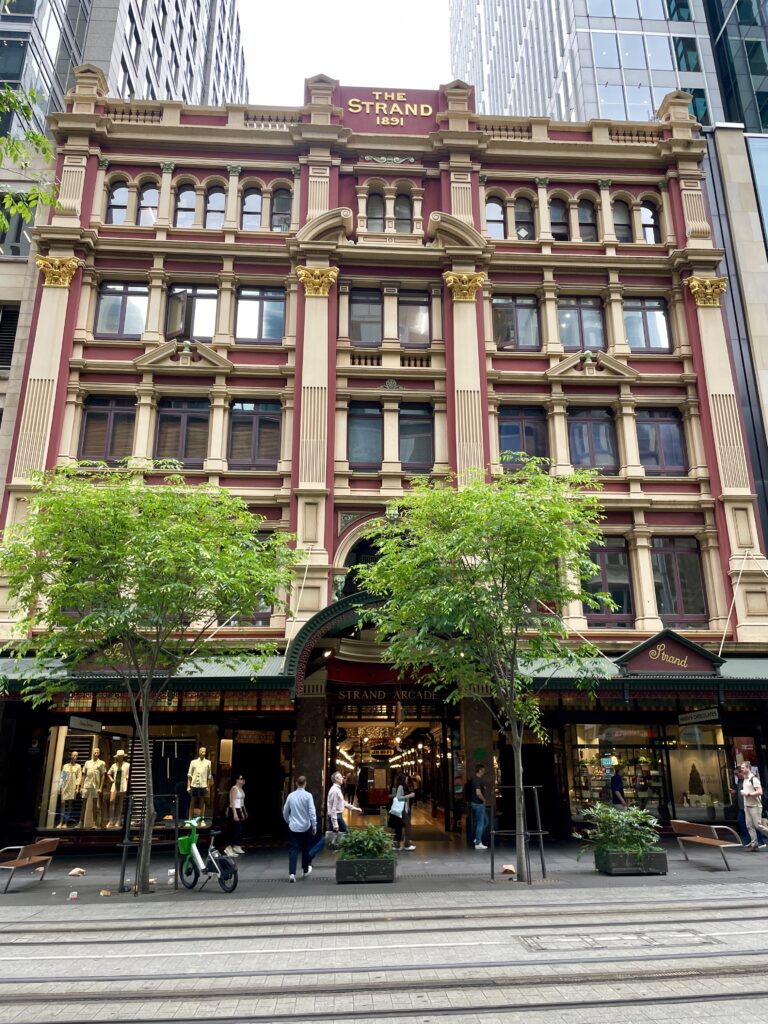
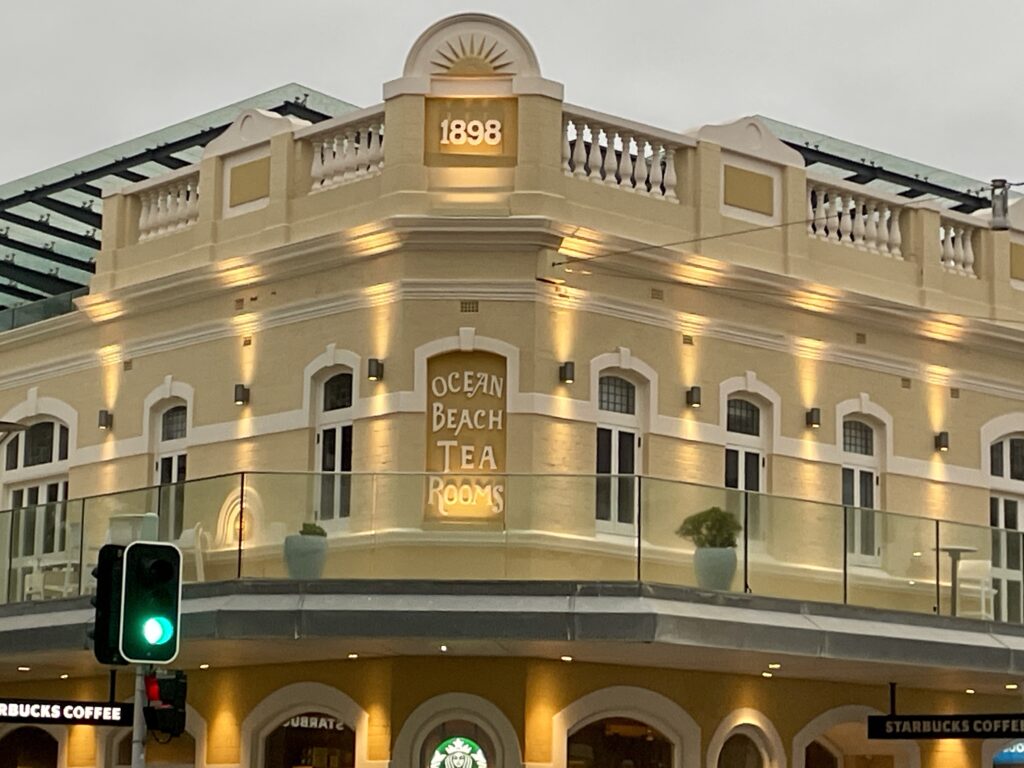
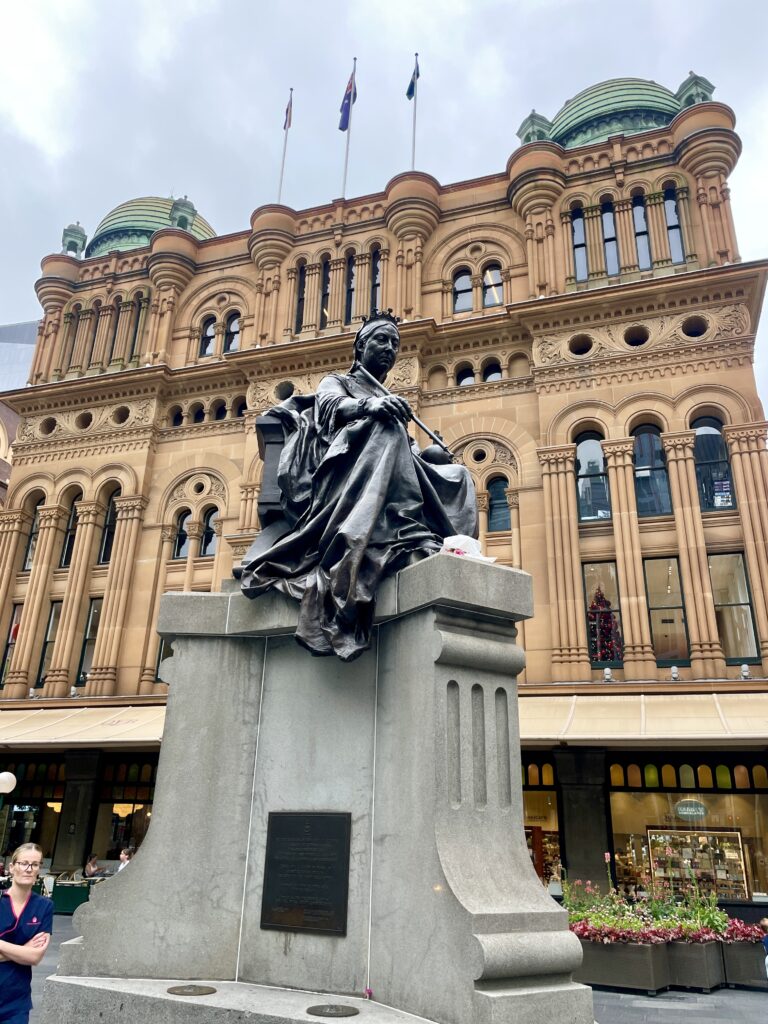
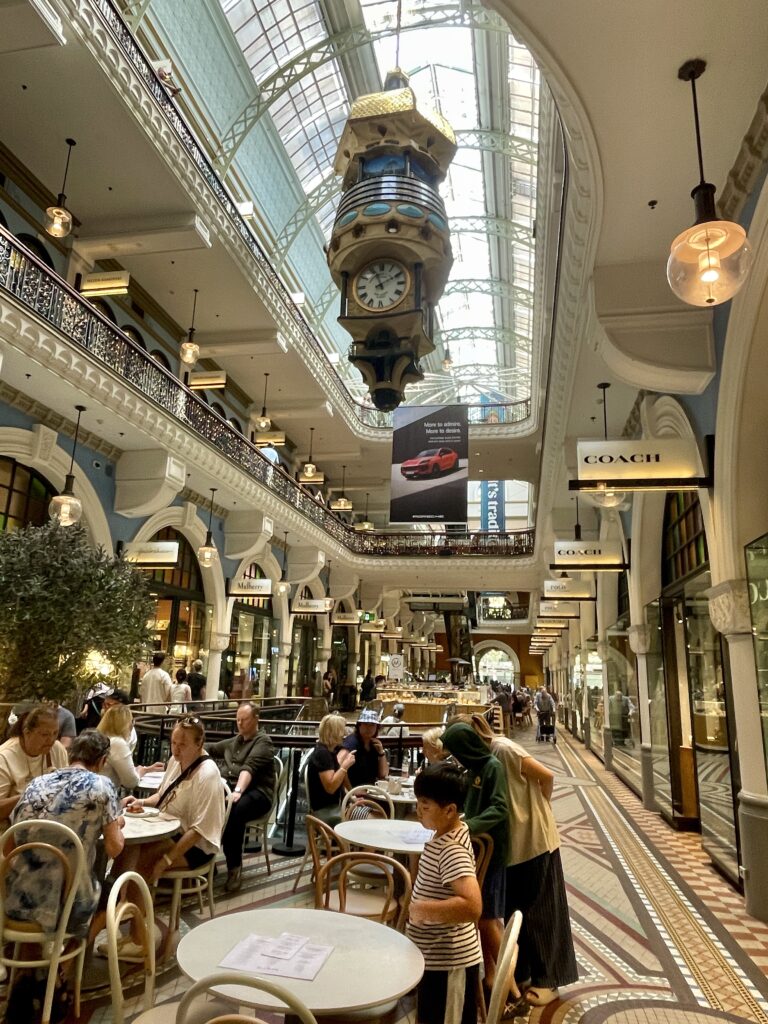
And build beautiful structures, they did!
*Note: Convicts did not actually build all of these structures, but here’s a sampling of some of the beautiful sandstone architecture that has been preserved in Sydney.
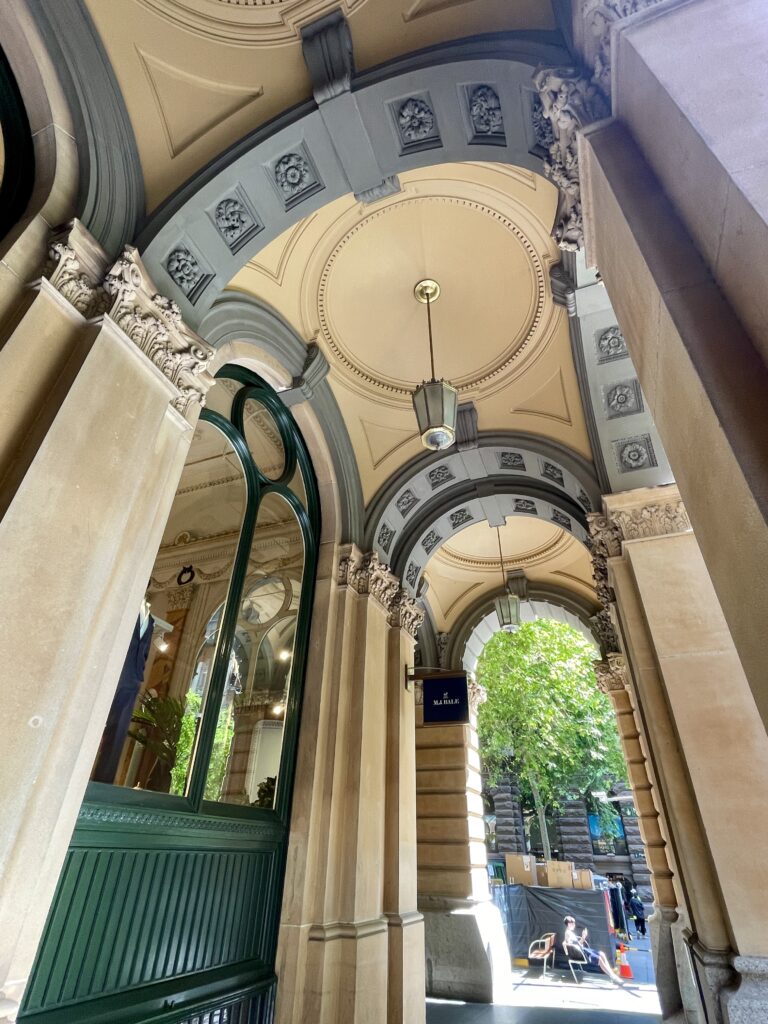
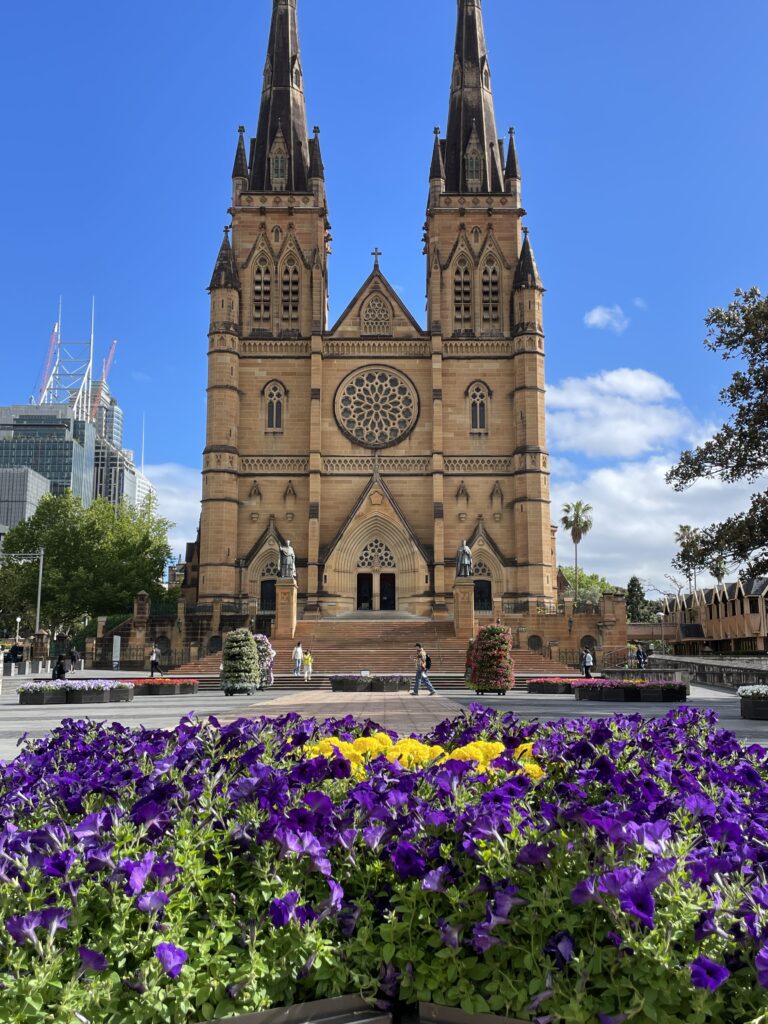
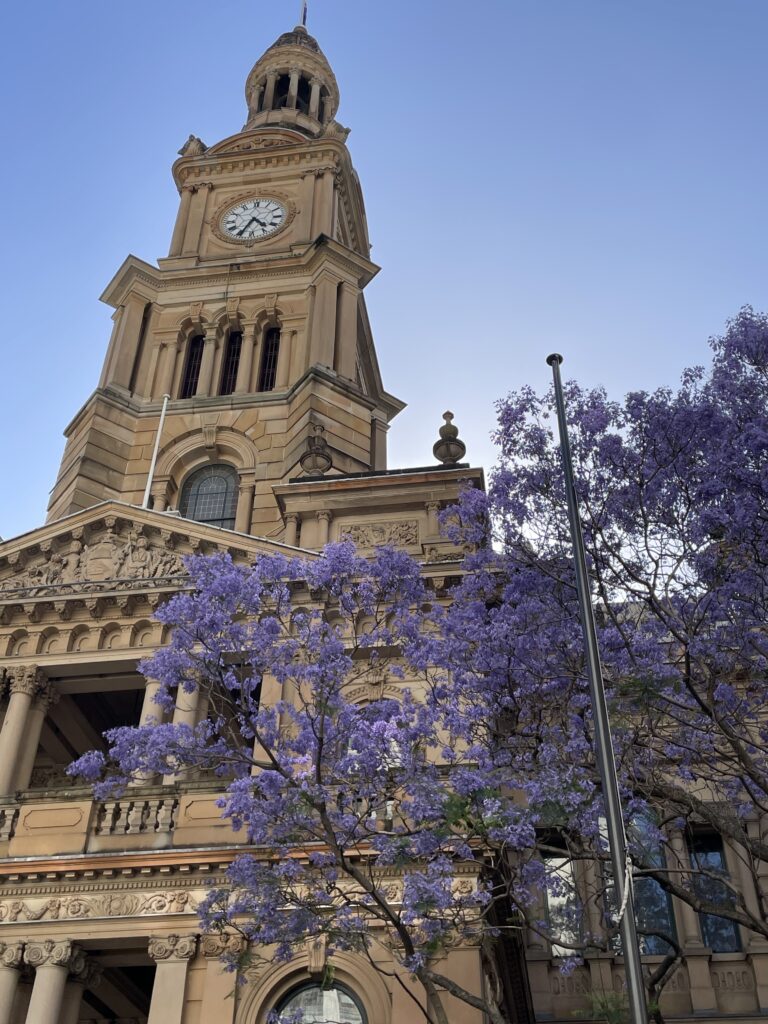
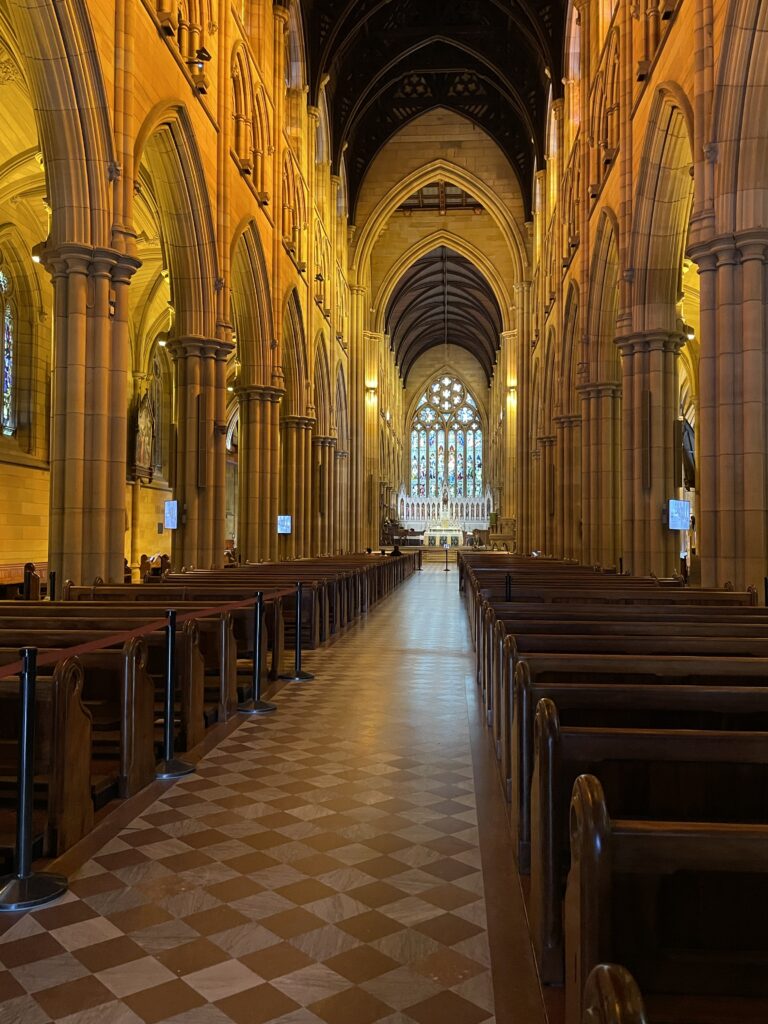
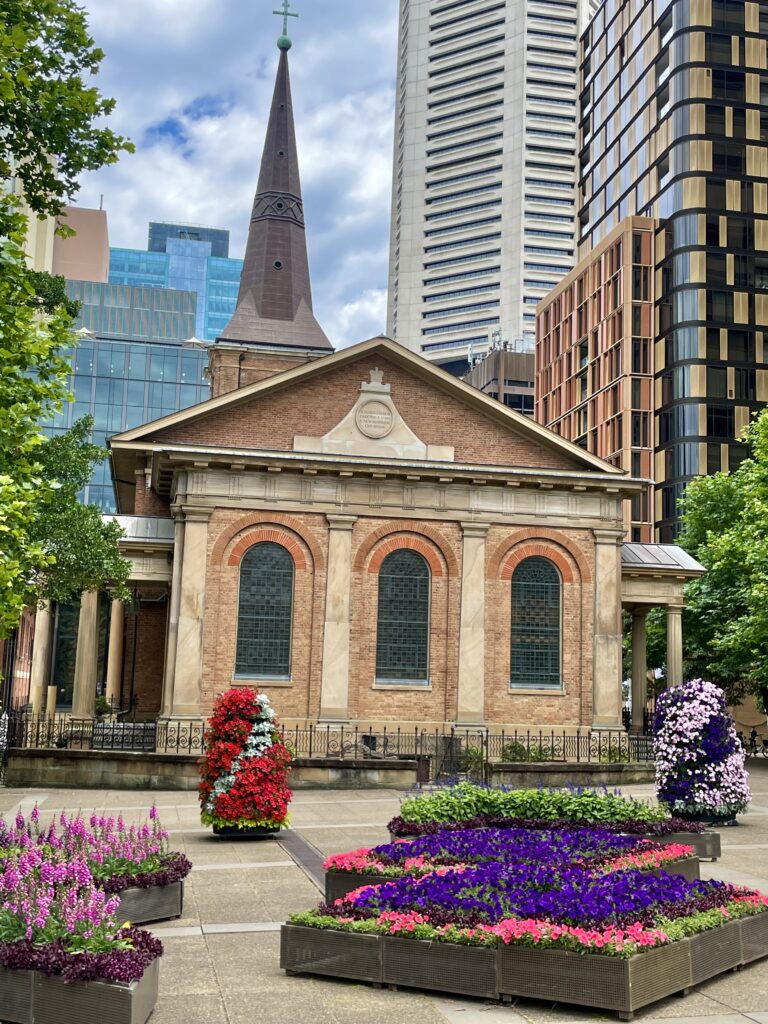
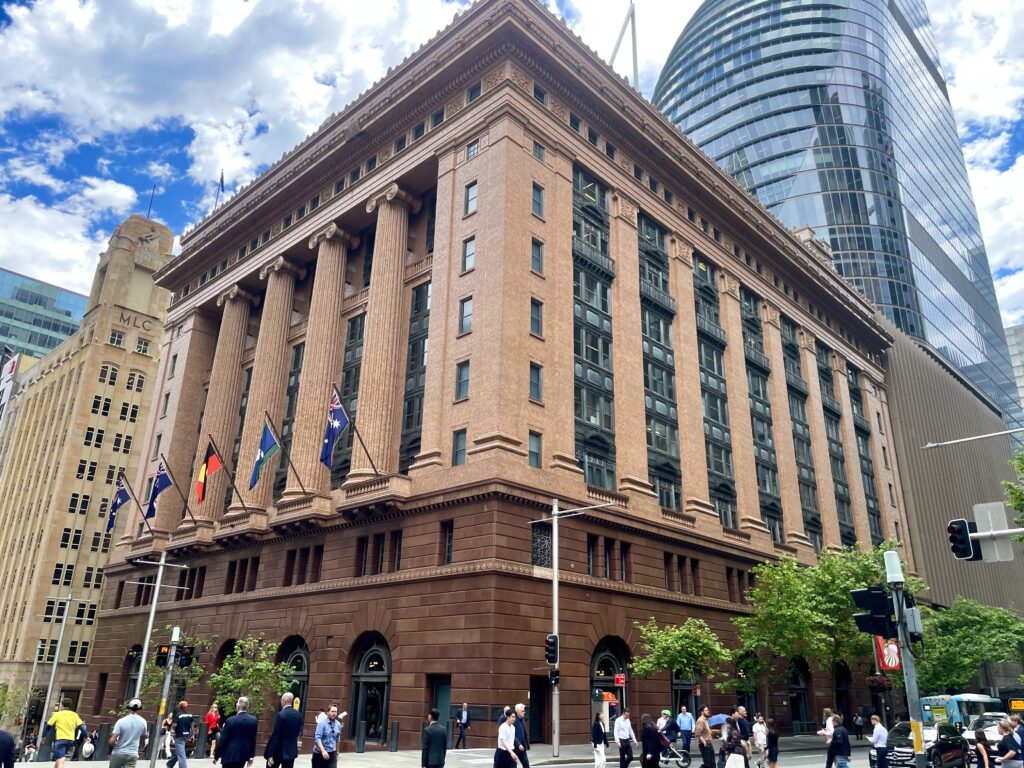
As more people arrived, there was a growing sentiment against the cruelty and stigma of being a penal colony. So, in 1840, the penal system ended here in Sydney. Today’s Australians share diverse backgrounds and many have traced their relatives back to the convicts who arrived here from all over Great Britain. That history is clearly part of the independent characters they are today.
In Sydney, Walking is a Way of Life
Another thing I noticed right away is that people in Sydney like to walk. There are walking paths everywhere through beautiful parks and streetscapes. Because Australia got its start as an English Colony, they have a plethora of free parks and Royal Botanic Gardens to wander. It is here where you can also get a glimpse of the homes of past and current Governors. What’s most striking about the parks however, is the trees… huge fig trees line the walkways in every direction!


Coastal Walkways
Going back to the hand analogy, locals take great pride in walking the trails along Sydney’s finger-like coastline. Over 200 miles of windswept dramatic trails exist throughout the city! One day I donned my sneakers and joined the masses for one of the most famous stretches between Coogee and Bondi Beaches, then up around Watson’s Harbor for a beachside lunch of fish and chips. The walk I chose happened to be out on the outer coastline – no whale sightings this time of year – but I could have just as easily chosen a walk along an interior coastline with views of the stunning harbor.


Beaches and Bogey Holes
As I walked along, I noticed that most community beaches featured rock-cut swimming pools or “bogey holes”. These pools are filled by the largest of splashing ocean waves but protective enough for doing laps and for kids to enjoy the calm. I learned that beaches and pools are voluntarily patrolled and cleaned by community surf clubs which sponsor all kinds of recreation activities. It’s these surf clubs who have also fenced in sections, protecting swimmers from sharks and sting-rays, both increasingly common with the global warming of ocean waters.
Bondi Beach is one of the most famous surf beaches of Australia. Although I didn’t see any really big waves, I saw a lot of locals enjoying their beach life with a morning swim, an evening volleyball game or an ultra swim-ski-board competition.


Sydney Has a High Quality of Life
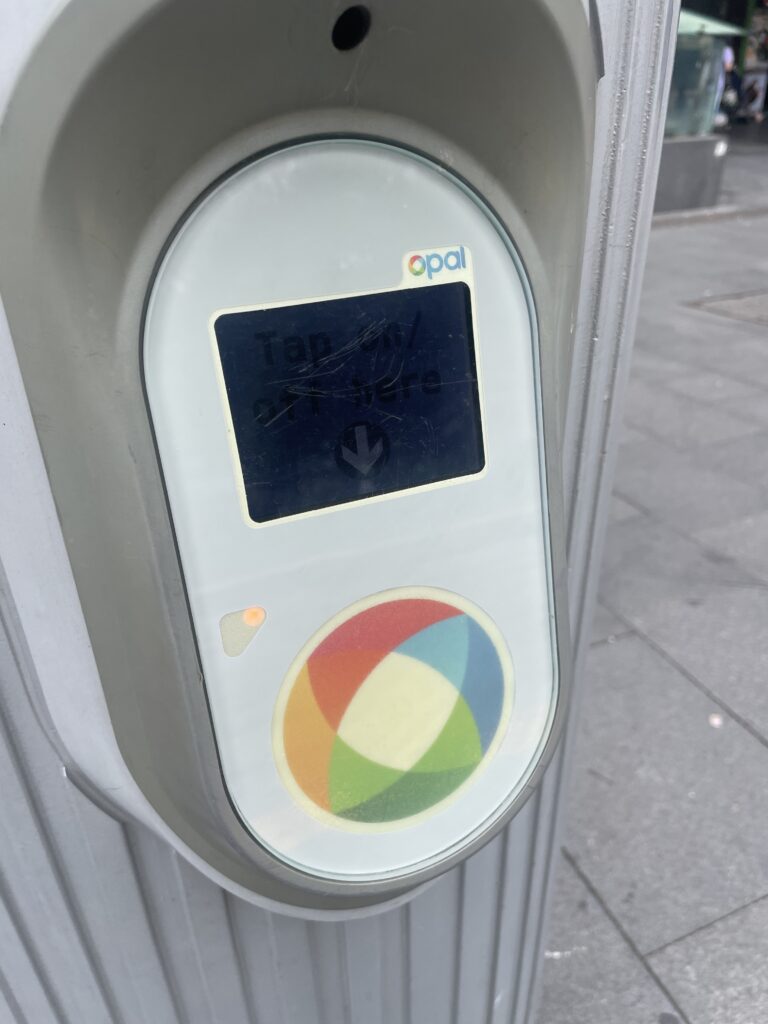
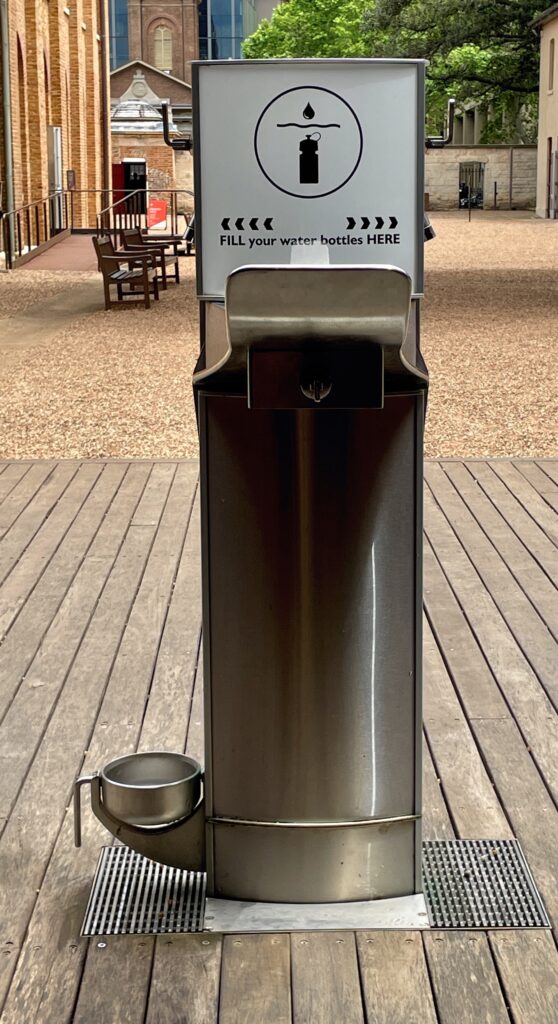
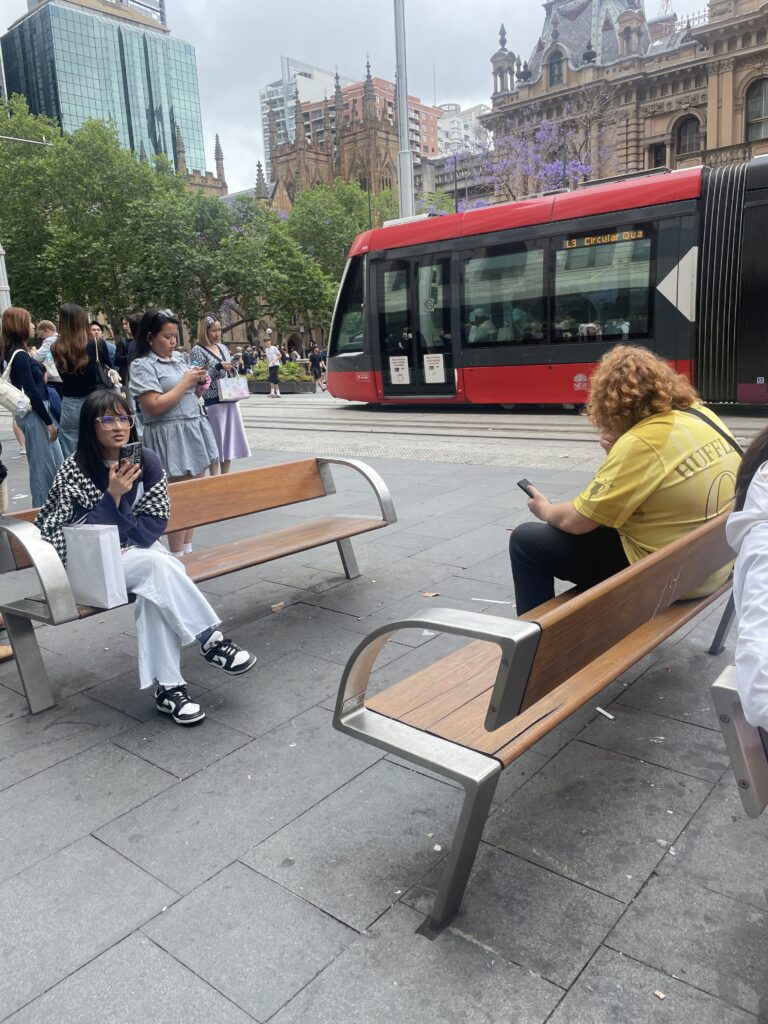
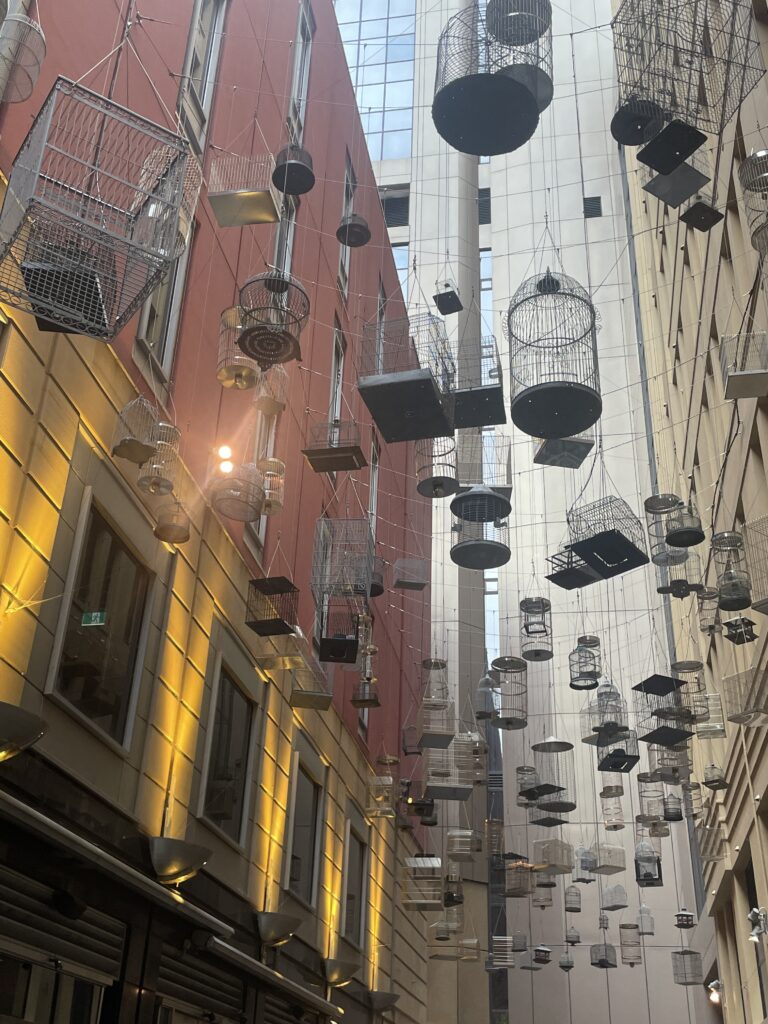
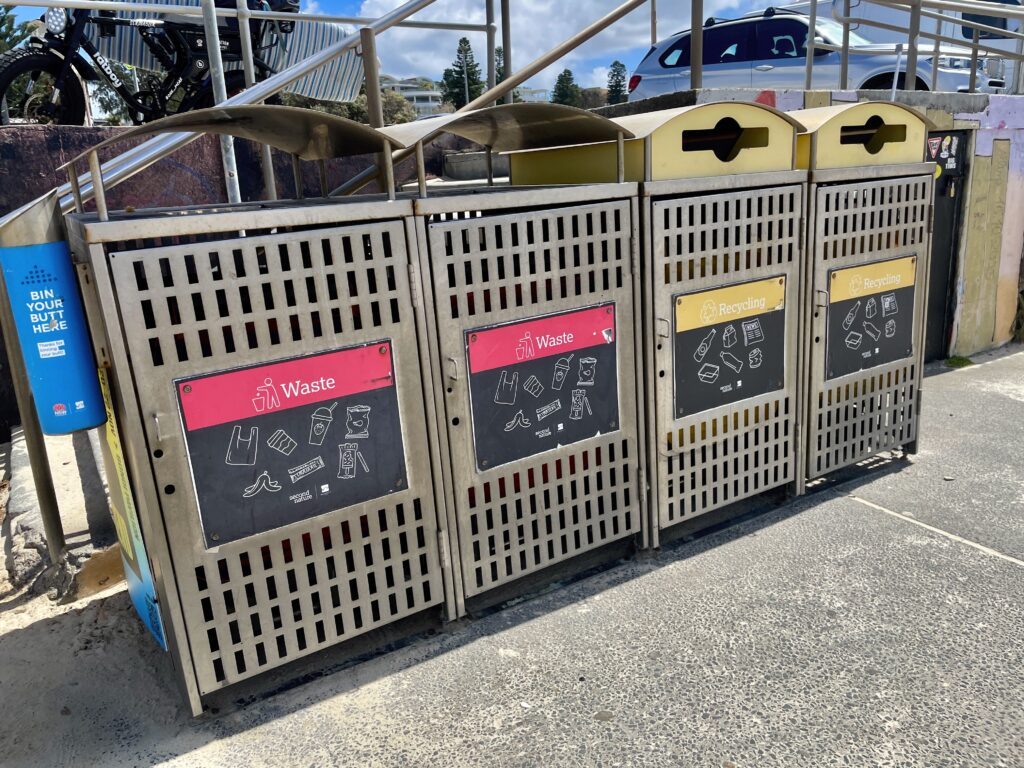
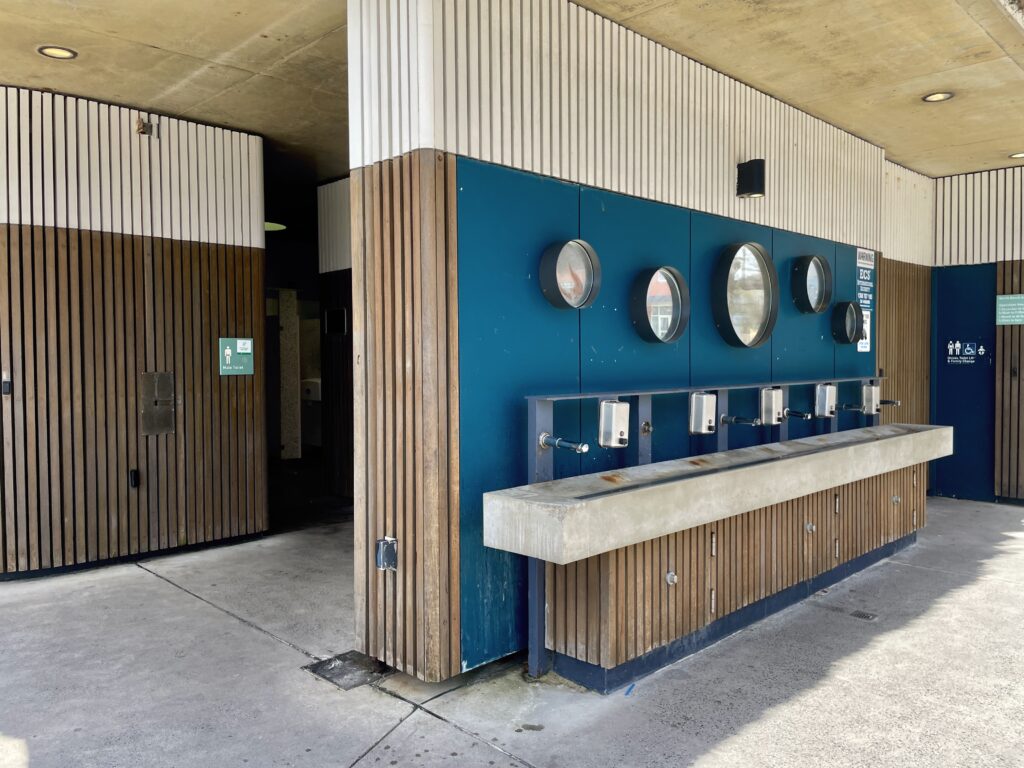
I can’t say enough about Sydney, but here’s some concepts that really make this city so liveable!

What Else Did I Love?
I loved Sydney’s vitality. The financial district is packed with smartly-dressed people coming and going, eating lunches in cafes, and enjoying the pubs at the end of the day. I asked several locals what was Sydney’s secret of maintaining a robust downtown? Their answer was the same. There’s lots of living quarters and high-end shopping mixed in with all the businesses. More importantly, the workers have been required to come back to the office at least a few days a week since Covid. This has kept their city alive.
There’s no graffiti. I know that makes me sound old and stodgy. Graffiti has its place, but not on historical buildings and public art. Sydney feels so clean because there’s none of it.
A wonderful surprise about Sydney is its diversity. I would have thought I was in London, or New York. Every language is heard on the street and every yummy type of food calls to your senses. Australians definitely take pride in their diversity and know that their country is better for it!
But the number one reason I loved Sydney was the people. Luckily, last summer, I had some very kind and generous Australians board my Alaskan tour bus and when I told them I was coming to visit, they took hosting to a whole to level!
Thank you so much to Gill and Paul Selig, and Selwyn and Judy Stoch. They all took full days out of their schedule to pick me up from the airport, and show me around their own little heaven. I felt so fortunate to know some locals in Sydney!


Australia Is the Land of Oz
So why is Australia called the “Land of Oz”? I posed this question to a new friend I made on one of my many ferry rides. He told me that “The Land of Oz” is a reference to the Wizard of Oz – it’s what Aussies call this place.
He continued by explaining that Australia is the land of far far away, that few travel to. To this day, most people only come to “Oz” if they have been uprooted and flung to the far ends of the Earth, just like Dorothy and Toto. But for those who do, it’s a wonderful place to be!
Yup! I’m only one week in and I already know there’s no place like Australia!
