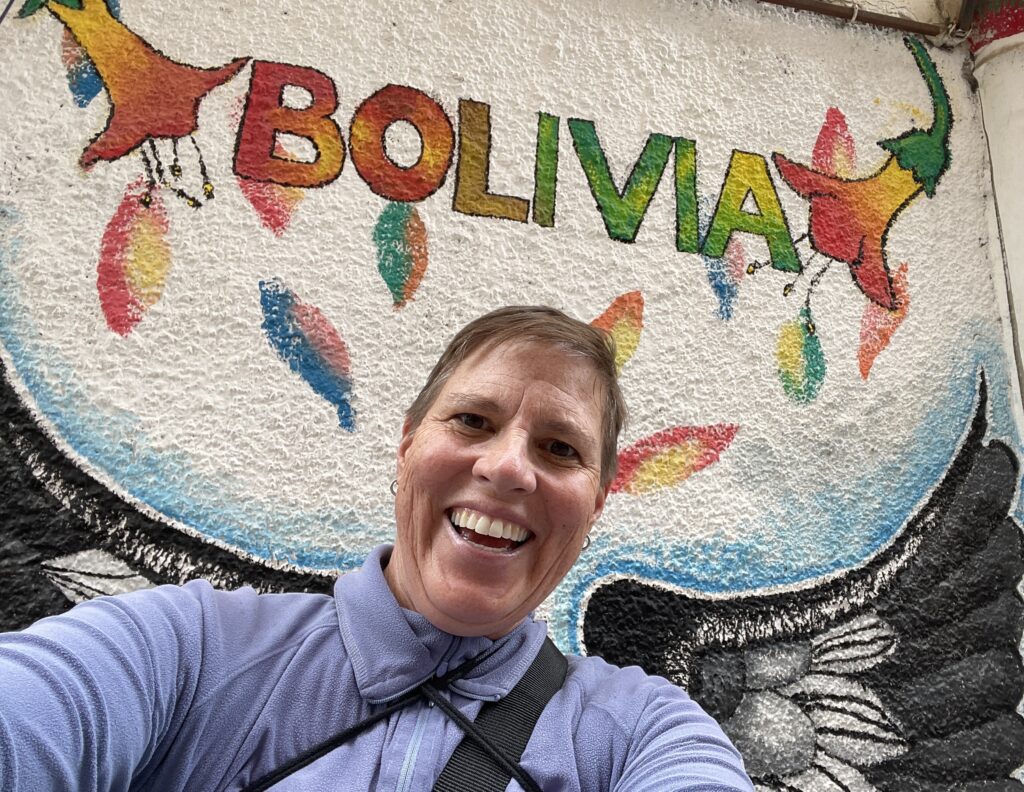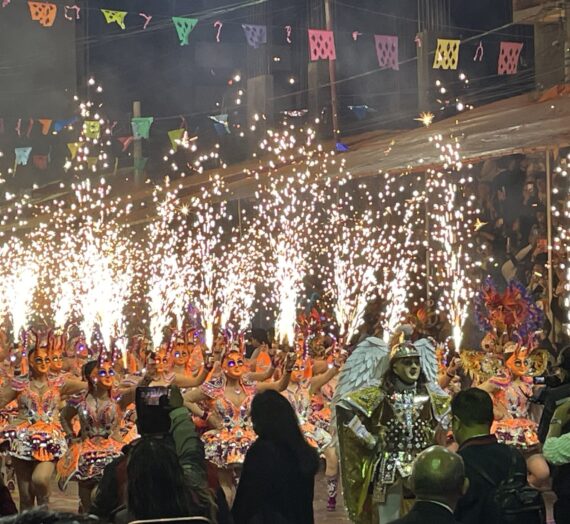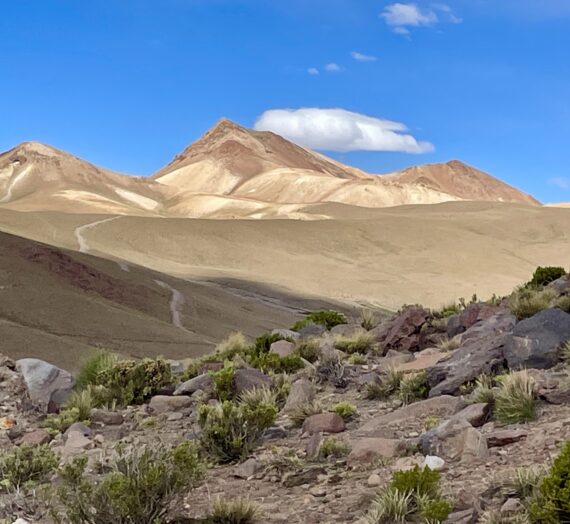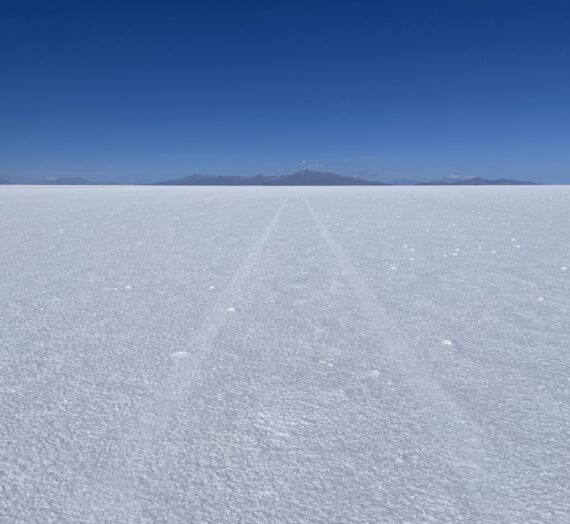
This year, on my tour through South America, a major goal of mine was to get to know Bolivia. It’s not a country we hear much about. Over the course of five weeks, I got a glimpse into this unique country and culture. In today’s post, I’ll try to help you understand more about it, too.
Bolivian Culture
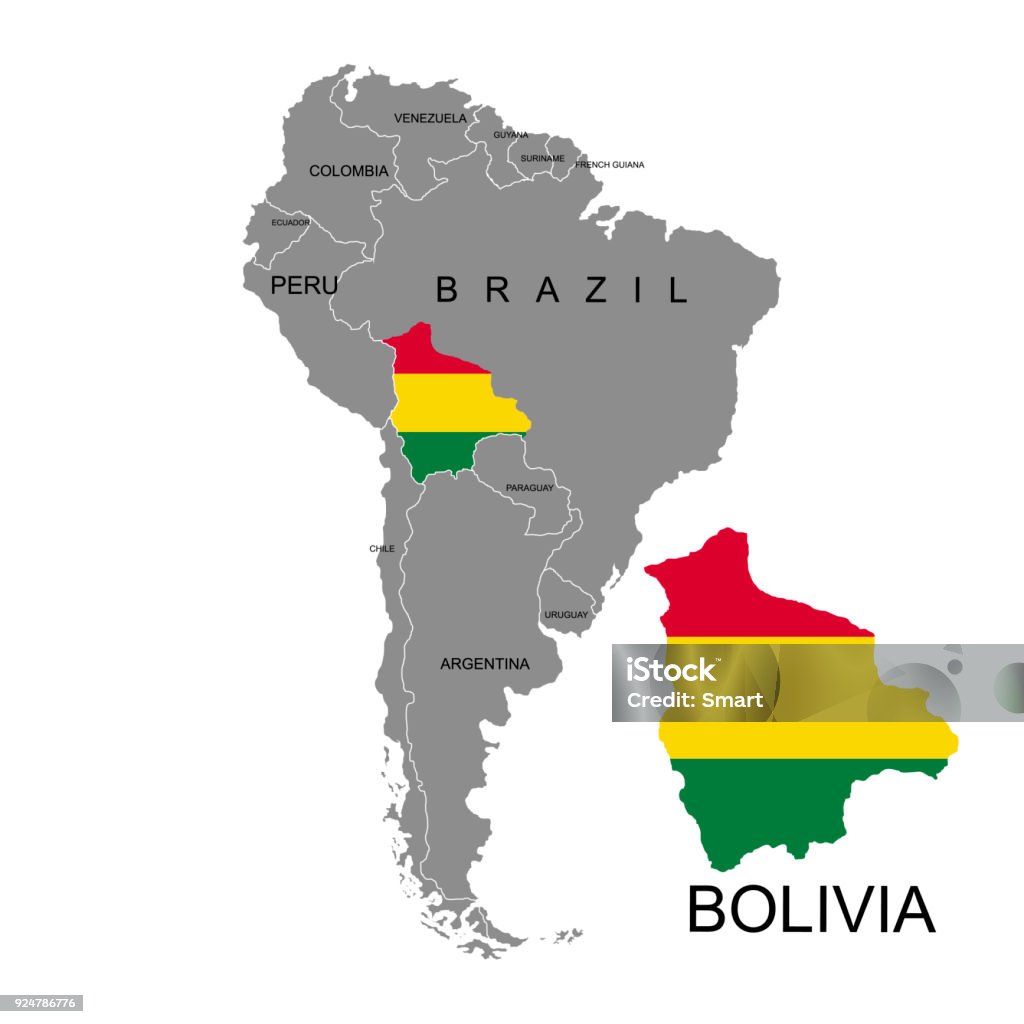
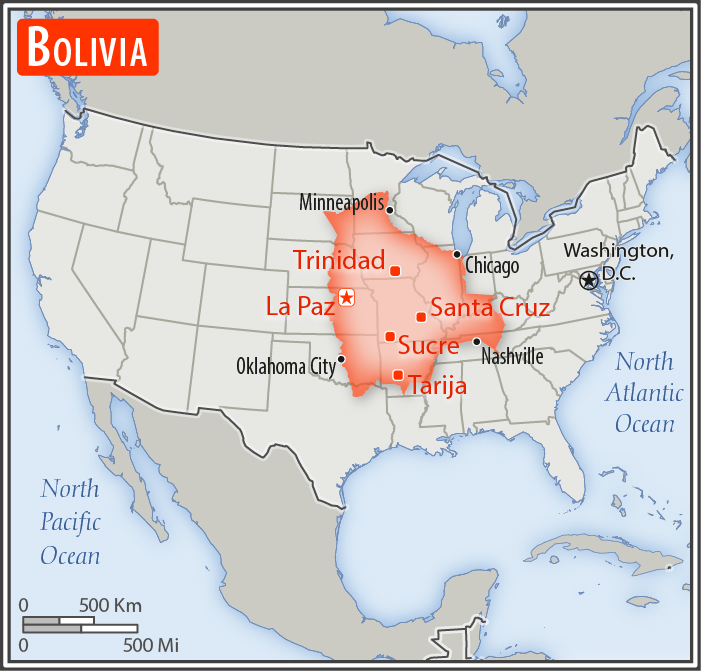
Bolivia is a land-locked country that sits between Peru, Brazil, Paraguay, Argentina and Chile. It lost its coastline over 140 years ago and they’re still visibly angry at both Peru and Chile for this. As I traveled by bus across this large and diverse country, I found that Bolivia could be categorized in two parts. The southern part of the country is dry and harsh, and it definitely shares a culture of food, dress and music with northern Argentina. However, in my experience, their suspicious and guarded behavior is more similar to the people from Chile.
But as I traveled further north, life seemed to get easier. The climate was more mild, flowers bloomed, agriculture flourished, and smiles and warmth from the people became more frequent. This is the Bolivia I really appreciated.
Bolivia’s Recent History with Evo Morales
Does that name ring a bell? Something you may already know about Bolivia is that the country had a famous president, an Indigenous (Native) coca-leaf farmer named Evo Morales. He served from 2006-2019 championing a “21st-Century Socialism”. He is credited with prioritizing state control over natural resources and he nationalized the gas, mining and telecommunications industries. Because Bolivia has a tremendous amount of natural resources, his policies made sure that the state (rather than outside investors) received the vast majority of profits, so funds could help the Bolivians who needed it.
For example, by nationalizing the natural resources industry, Morales tripled the GDP and halved the extreme poverty rate from 38% to 17%. He also increased the minimum wage by 50% and established many social, health and educational programs giving Indigenous populations more equality- all while supporting labor unions and promoting a free market economy.
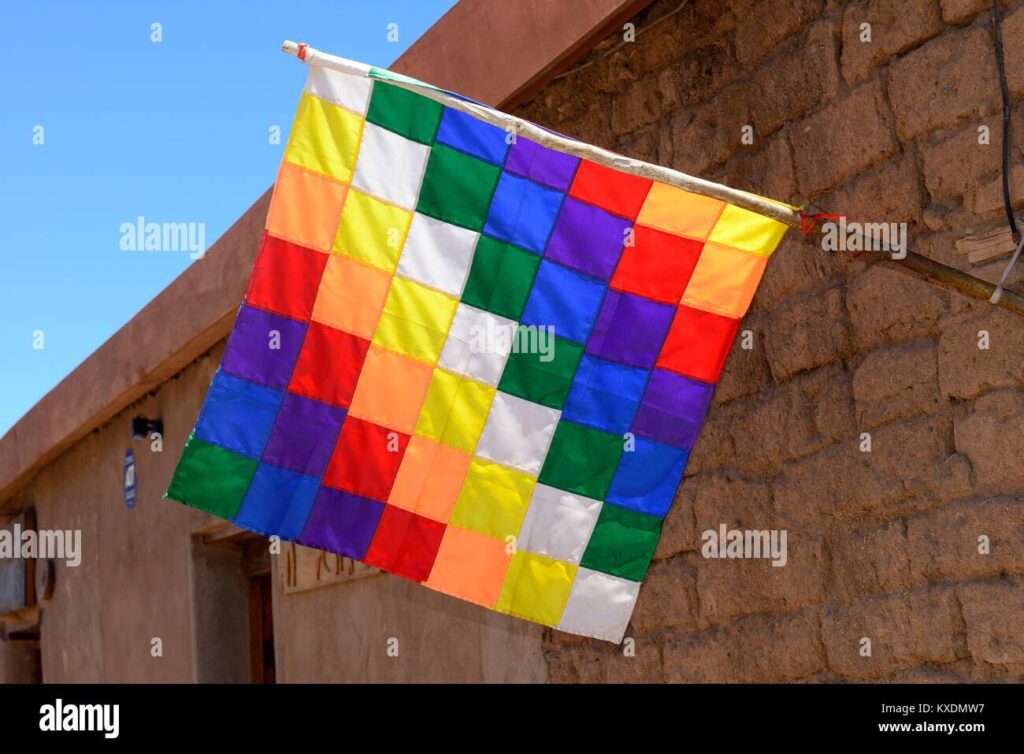
The Wiphala is the flag representing all Indigenous people across the Andes. The seven colored squares symbolize unity, equality and harmony with Mother Earth. I saw this flag flying proudly all over Bolivia, where it represents people who speak 39 different languages. It’s a very diverse country.
Bolivia’s Unique Set of Struggles
But not everything in Bolivia is rosy, yet. Bolivia is still considered one of the poorest countries in South America. The disparities between urban and rural areas can be seen in the lack of electricity, potable water, and sewage systems.
One of the biggest deterrents to economic stability is the fact that approximately 85% of employment in Bolivia is informal. Google can help explain what this means: “Informal businesses are unregistered, small-scale operations (e.g., street vendors, home hair salons, cash-only car washes) that operate outside formal government regulation and taxes. This clearly restricts tax revenue, limits economic productivity, and leaves the majority of workers without social protections.”
So, in other words, most people in Bolivia are barely hanging on.
In 2025, voters ushered in a new political party, who is struggling to continue modernizing while stabilizing the economy and paying off external debt. It’s a very unique country, with some big problems.
But Bolivia, more than any other country I’ve visited, has an extraordinary set of beliefs that are completely interwoven into their everyday life and economic reality. The diversity of their people and their traditional beliefs add to the complexity of the country’s problems and must be taken into account as their country continues to evolve. The following examples will better explain this idea. Let’s start with what I learned in the city of Potosí.
The Rich History of Potosí, Boliva
Potosí was founded in the mid-1500’s and quickly rose to prominence around the world when massive silver deposits were discovered in nearby Cerro Rico (Rich Mountain). Those silver mines spurred new routes for global trade and immigration, and Potosí became one of the largest and wealthiest cities in the world. The Historic Center of the city has maintained much of that old- world charm.


Cerro Rico Mines
Cerro Rico, with its hundreds of miles of underground tunnels, still looms over the city. Today, many of its large veins have played out so instead lower grades of different mineral concentrations are successfully being mined. Precious metals and minerals from this region continue to make up Bolivia’s chief exports.
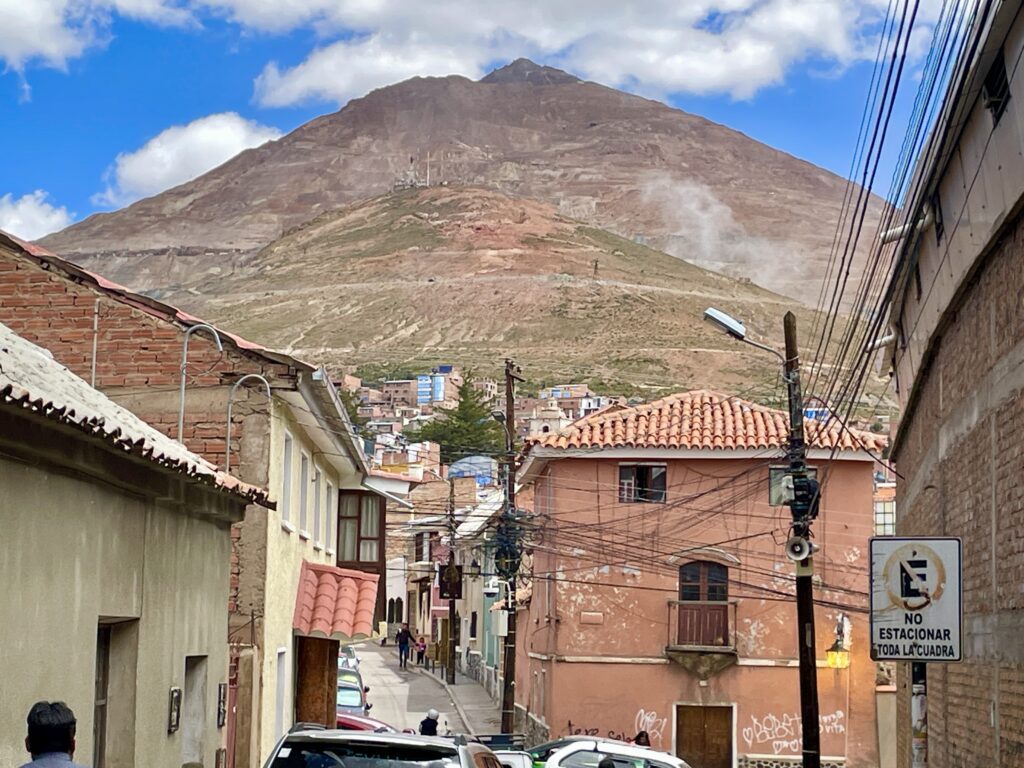
Cerro Rico or “Rich Mountain” looms over the city of Potosí, Bolivia
I didn’t visit the mines in Cerro Rico– a little bit suspect in terms of safety and ethics. But I did get into a mining museum in nearby Oruro.


Mining really put Bolivia on the world financial map and they are very proud of this history. Mining continues to infiltrate every part of their economy, social fabric and culture, including their beliefs.
Praise for El Tío
Bolivians believe that El Tío, or Uncle, is the God of the Underworld who protects the resources in the mines. But, they insist, with offerings and praise – such as cigarettes, coca leaves, and alcohol – El Tió offers safety to the miners and wealth to the community.
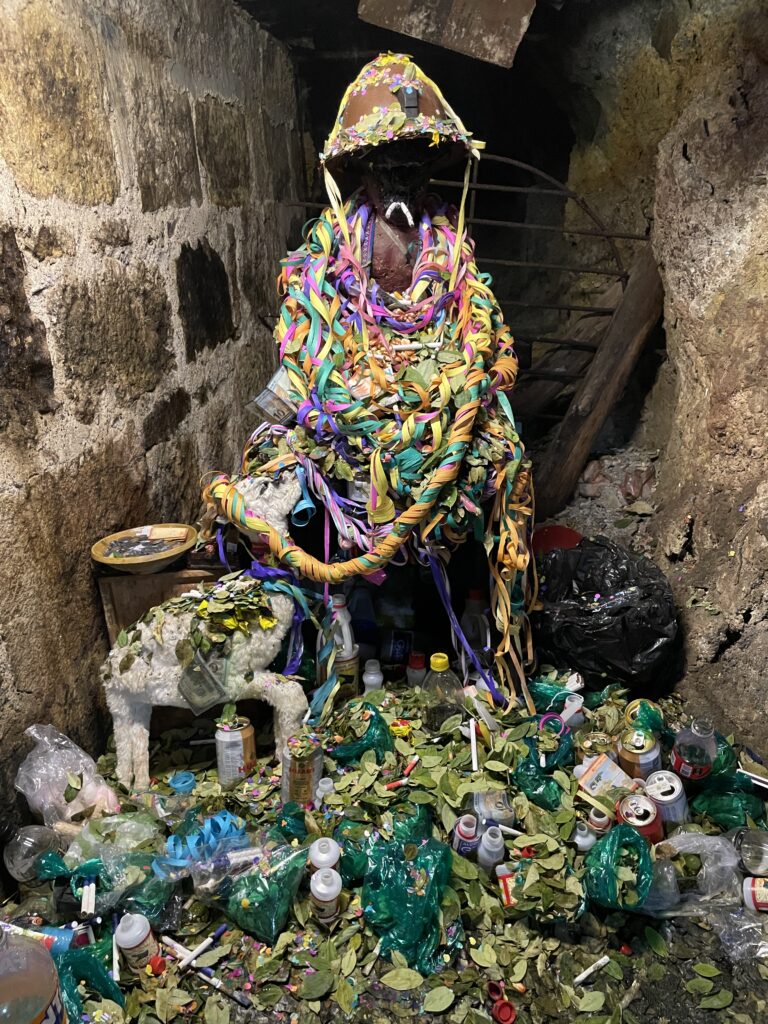
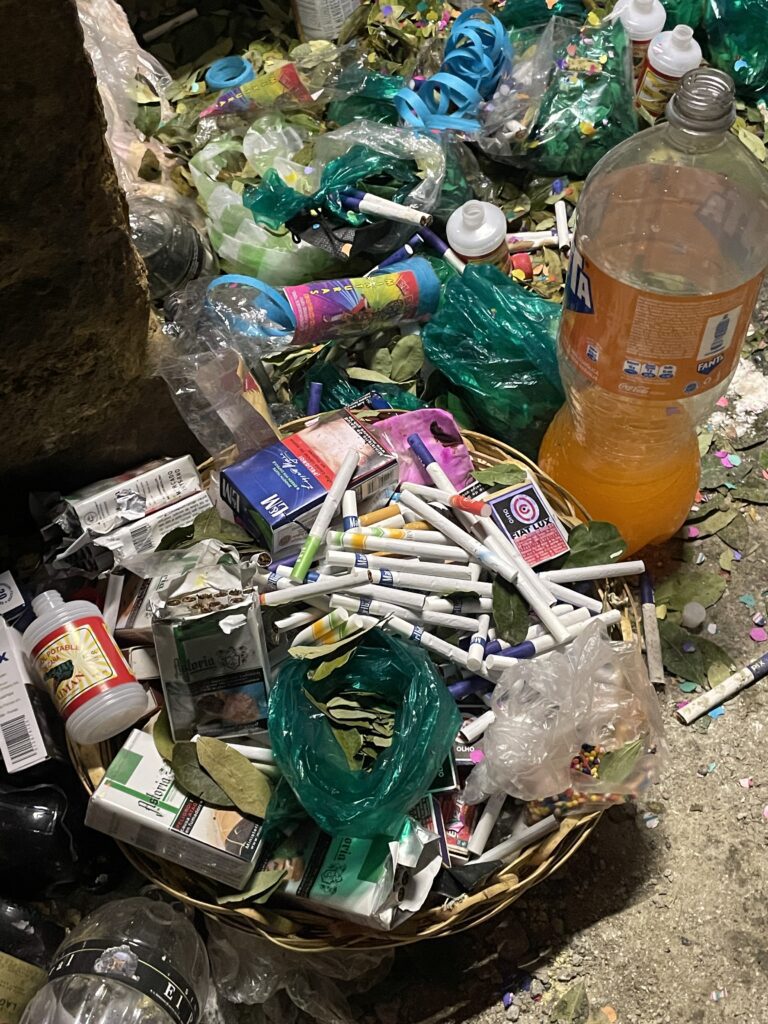
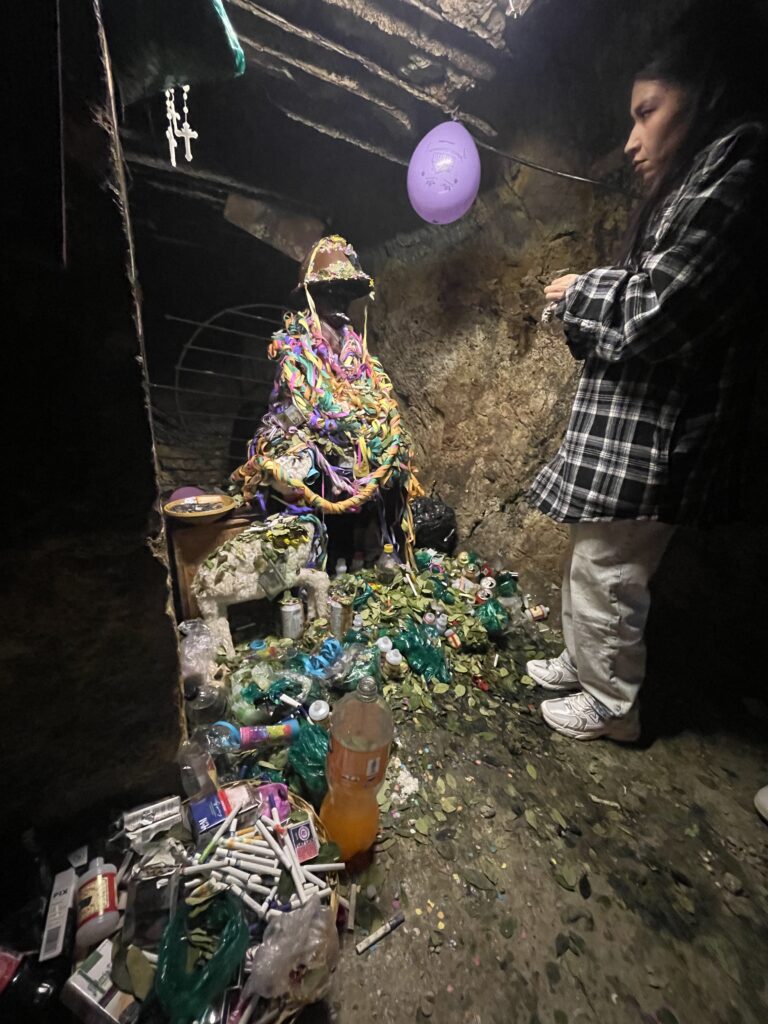
El Tío, like the Diablos of Carnaval, which I described in a previous post, are highly revered and nobody – I mean nobody – misses a chance to pay their respects and ward off the “bad” in the future. Every mine has representations of Tío above and below ground. On the mining tour I took, the local Bolivians came with full pockets ready to appease this deity.
As I traveled northward to La Paz, Bolivia, I continued getting an education about Bolivians and their complicated belief systems. On my first day there, I purposely took a tour to learn more about these beliefs. On this tour we visited a cemetery and a witch’s market.
Cemetery General de La Paz, Bolivia
Sundays in Bolivia are for families to visit the cemetery, to freshen up family tombs and replace the flowers. My tour to the cemetery happened to be on a Sunday so the aisles were bustling with many locals.


I also saw a few people stop to make a wish at the “Miracle Tree”. Devotees wedge gum, candy and other offerings into its bark in hopes for its positive energy to bleed into their lives.


Several murals around the cemetery gave light to the spiritual beliefs that accompany the afterlife.


Bolivia’s Fascination with Skulls
But cemeteries in Bolivia are also a little more macabre. It is here, where several skulls are honored. Aymara Indians, and Bolivians in general, believe that human skulls have access to the spirit world and if taken care of and revered they will protect you and bring you good fortune. While some skulls were donated by family members, others have been sourced from abandoned graves at the cemetery. My tour guide explained that the skulls used to be displayed publicly, but now they are under the mural and behind the bouquets of flowers, each representing a skull that exists there.
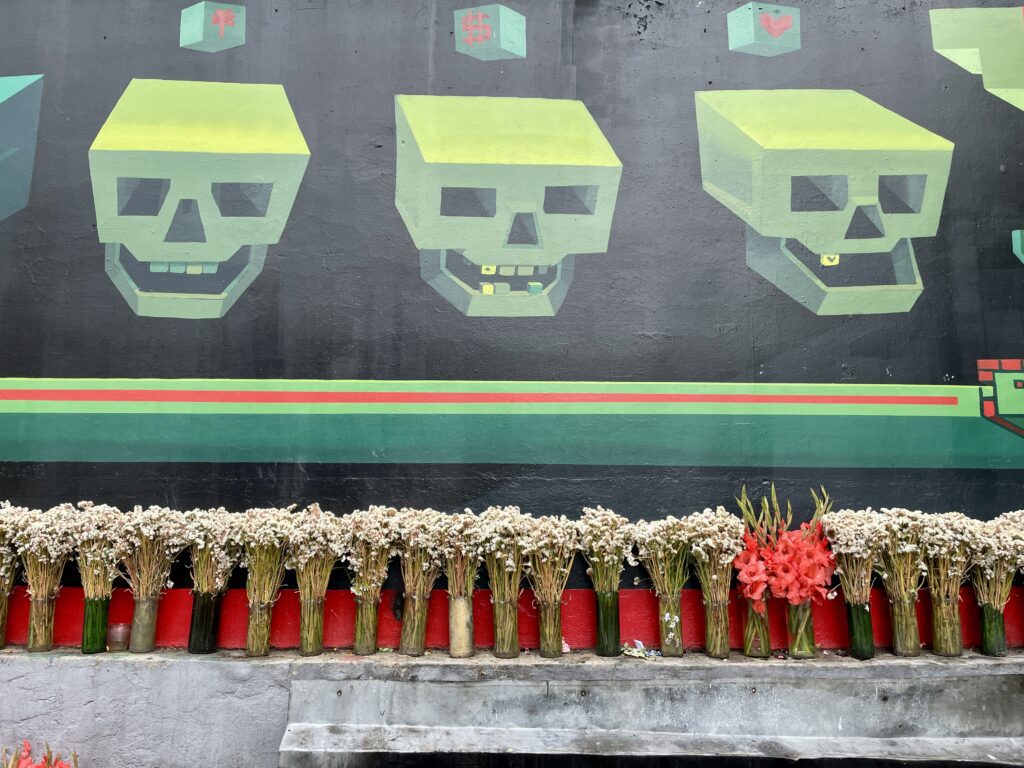
After asking more questions about this, I learned that the keeping of human skulls is an important tradition in Bolivia ensuring the family good fortune for years to come. They’re so committed to these skulls, in fact, that on November 8th, during the Festival of Ñatitas (or Skulls), people carry their decorated skulls to the cemeteries to get them blessed for the year ahead. I’d love to come back in November to see that!
If you don’t have a skull, don’t have a recently dead relative, or don’t know a stranger that will sell you one they’ve obtained, you can always go to the Witches Market to buy a skull yourself. Where do these skulls come from? The black market. Grave robbing. Medical centers who are done with their research. You can imagine.
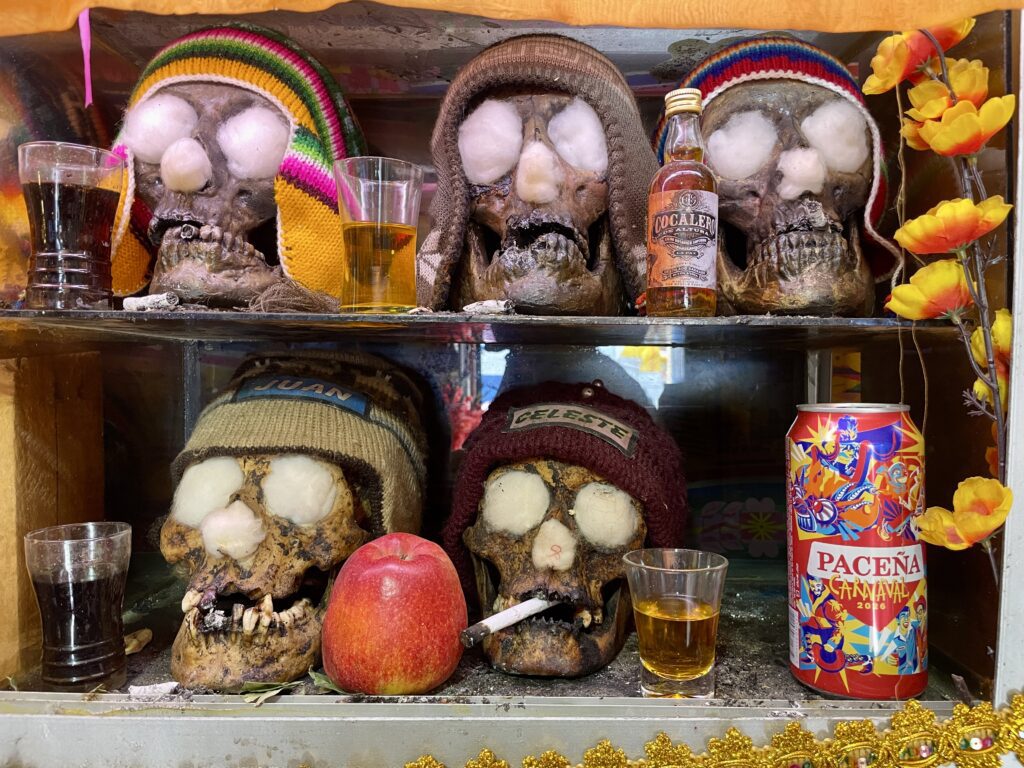
The cotton balls help keep the spirit of the skull within.
Witches Market, El Alto, Bolivia
This is Lidia. She works out of a small store front among a long line of other witcheries located at the El Alto market. For a small fee, she let me take pictures of her and her shop. For a little more, of course, she offered me a reading.
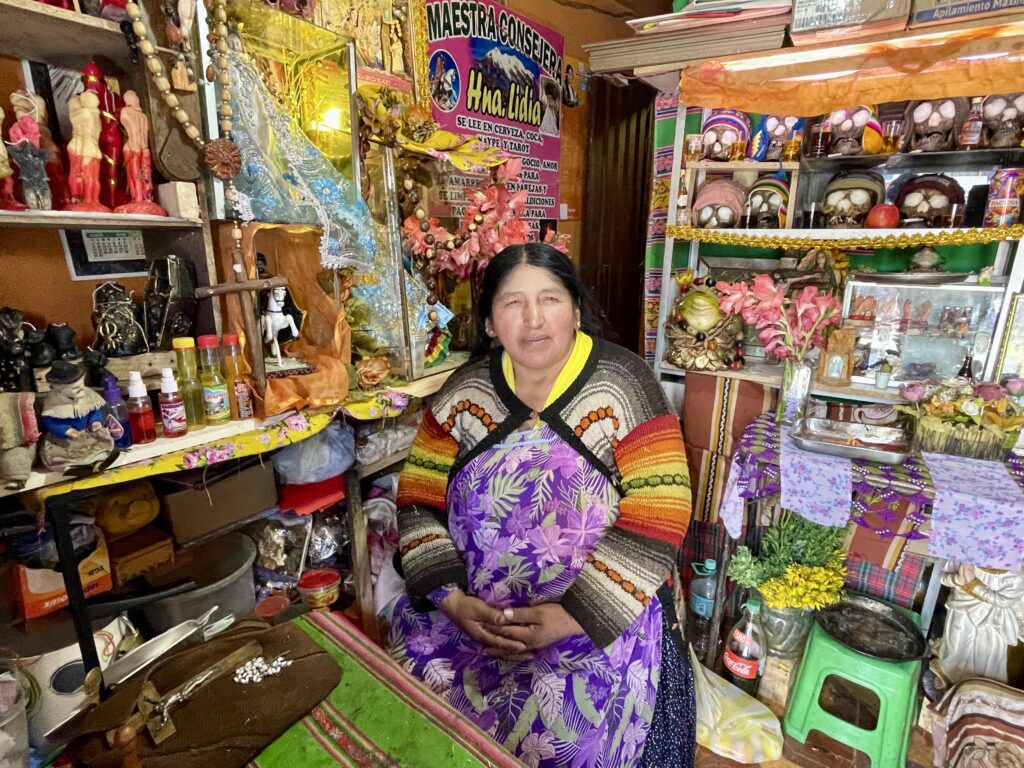
“How exactly would you do that?” I inquired.
“I read the coca leaves, of course!”
In Bolivia and Peru, Coca leaves are the answer to everything!
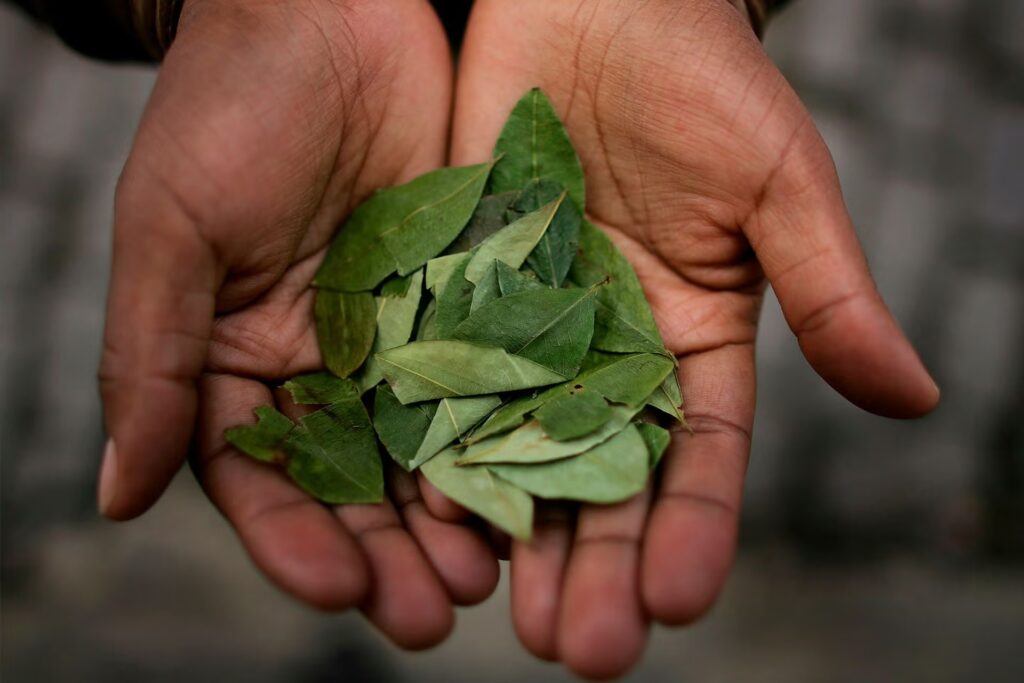
High altitude sickness? Coca leaves.
Upset stomach? Coca leaves.
Headache? Sore muscles? Coca leaves.
Tired? Need stimulation? Coca leaves.
And apparently they can help tell your future, too!
From the looks of her office decorations, Lidia, like all good witches, use all their resources – the coca leaves, the dead skulls, a healthy dose of praying to Jesus – all to help your dreams come true.


Later, I asked my tour guide what happens when you get bad advice from a witch?
He said, going to a witch was akin to getting a haircut. If the advice ends up being bad, you don’t go back to that witch again.
And what kind of cures do they suggest?
Praying to God and your skulls always helps. Using burn pots outside your house or business can cleanse away bad energy. Animal sacrifices are also common. Maybe the cure is a baby llama fetus or a dead pig to bury under your house for good fortune.
However one cure is above everything else; before you do anything else, you must buy and burn special offerings to Pachamama (Mother Earth). Conveniently, there are blocks and blocks of stores set up across every market in Bolivia to sell you all that Pachamama would want! Coca leaves, chicha (a fermented corn drink), and sugar candies are high on her list of favorites.
Really, in the end, everything in Bolivia depends upon the whims of Pachamama. It is of utmost importance to keep her happy. I saw countless examples every day of gifts and offerings for Pachamama – it’s part of their daily habits to show gratitude for life and all the resources she has given us. In homes, businesses, parks, churches, cultural centers and even bars, I witnessed rituals that offered coca leaves, candies and flowers… and a few llama fetuses, too.


A K’oa is a ritual tradition in the Andes that happens on the first Friday of each month to show appreciation for Pachamama and her gifts. A ceremonial offering like herbs and coca leaves are burned. Chicha, a fermented corn drink, is passed around to drink and then added to the fire while music and drumming circles accompany these ceremonies of gratitude. This is a K’oa I attended in Cochabamba.


Around the world, people might worry about GDP’s, literacy rates and life expectancy as the chief indicators of a country’s wealth or status. In Bolivia, I assure you that the common person is not thinking about any of that. All they care about is making sure they are good to Pachamama and El Tío, so that these deities will be good to them. They believe in the power of human skulls, coca leaves, an ancient connection to their llamas, and their ceremonial cleansing rituals. These beliefs are at the center of their daily lives. This is the complexity of Bolivia.
Back in La Paz, my tour guide asked me if I believed in the powers of Pachamama? I replied that I certainly believe in her powers and her energy, but that I didn’t really think that coca leaves or other offerings appeased her into “giving” us her mineral resources, her forests and her clean water. I think humans just take these resources from the Earth. She doesn’t have a choice.
“Ofcourse,” he said, “you don’t believe in her generosity because you’re not from Bolivia.”
Right. I agreed. I’m definitely not from Bolivia.
Afterward
If you ever get a chance to go to Bolivia – go! From the dizzying heights of the Altiplano to the tropical forests of its Amazon Region, it’s an amazingly beautiful country. Bolivians are strong and proud. And generally, if they aren’t trying to sell you something, they do like to share their culture and experiences with you.
That said, Bolivia is also a little rough around the edges. It’s the only country where I’ve been robbed (backpack taken in 2005), scammed (at Carnaval), cheated (by a taxi-driver) and pick-pocketed (losing something sentimental more than valuable). It’s also the only country where I’ve gotten food poisoning and was flattened for a day. Hostels are not the nicest I’ve stayed in. Buses are less than clean. Bus drivers are less than professional. And it’s the only country where I regularly worried about putting my pack in the luggage compartment out of sight. Traditional gender roles and machoism are alive and well and public drunkenness in the streets is more prevalent than I have seen in other South American countries.
But there’s something about Bolivia that kept me smiling. The islands of Lago Titicaca and the vast expanses of the Salar de Uyuni are on my list of my most favorite places in the world. The variety of cultures are fascinating and the colors of the clothes and folk art are so joyful, I never could get enough. And the best secret of all… I’ll be dreaming about those Salteñas – juicy flavorful empanadas – for years to come! Bolivia is a very unique culture and country; it really is worth a visit!