
Have you ever heard of a Blue Zone? Blue Zones are geographic areas around the world with a high concentration of people who live healthy active lives through their 90’s and over 100 years of age. Scientists have studied this phenomenon and found that there are five “Blue Zones” noted around the world: Sardinia in Italy, Icaria in Greece, Okinawa in Japan, Loma Linda in California, and – I was surprised to learn while I was visiting – the Nicoya Peninsula in Costa Rica.
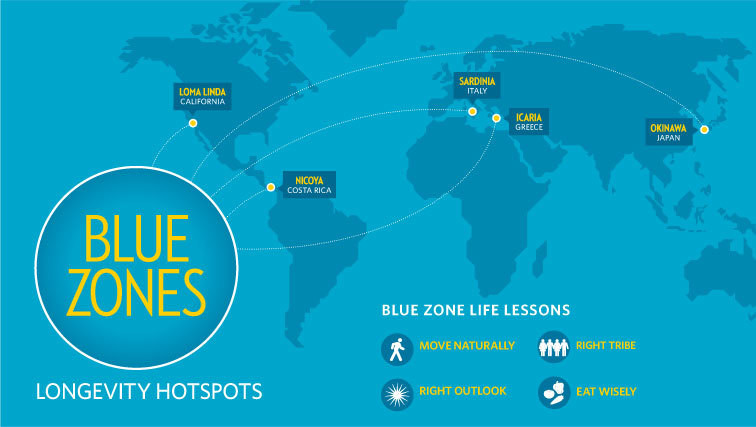
Consider for a moment what it would be like to live in a community where much of the population is over 90 or 100 years old. These people were born in the 1920’s and have lived through several wars, economic crises, and a transformed world.
Why Do People Live Long Lives in these Areas?
When scientists started looking at this Blue Zone phenomenon, they realized that the people from these specific communities around the world shared in common nine daily practices.
–They are active outdoors daily- meaning that they walk more than they drive, they work in their garden or around their home or community.
–They have a relaxed life, reducing hurriedness and stress. They take time to let their inner child play.
–They have passions and purpose, knowing that they are important.
–They have access to clean water, some with higher levels of calcium and magnesium.
–They eat more plants than meat with a diet of fruits, vegetables, beans and grains. They eat without stuffing themselves.
–They drink a little wine.
–They have faith.
–They have strong family ties, especially to the younger generations. This helps them learn new things and keep an open mind.
–They’ve found their tribe, and are surrounded by love, supportive friends and a community.
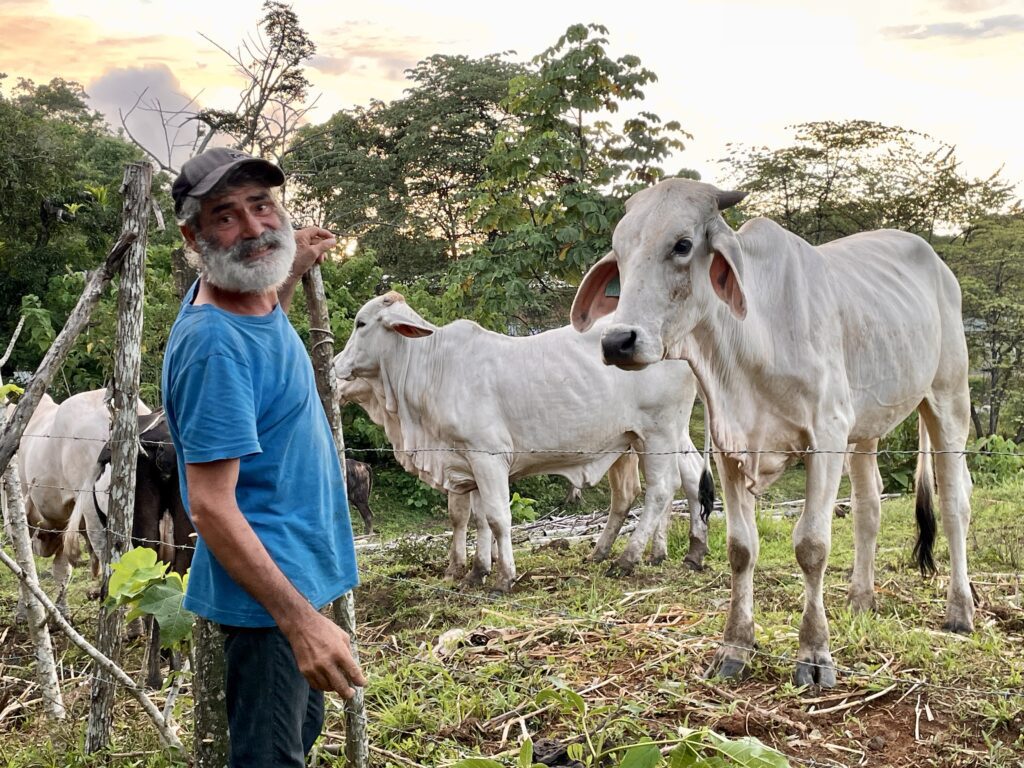
Why Does a Blue Zone Exist in Costa Rica?
After spending three weeks in Costa Rica, I came to understand why Ticos (people from Costa Rica) might live so long. According to the 2025 World Happiness Report, Costa Rica is considered one of the happiest counties in the world, ranking 6th globally and 1st in the Americas. This high ranking is due to several factors like living in a peaceful, democratic society, having access to good health care and education, and living within a culture with strong social support and high life satisfaction.
However, if you asked a Tico about their happy lives, they would sum it up in two words: “Pura Vida“.
Pura Vida or “Pure Life” is something that everybody says all the time. It can mean “hello”. It can mean “goodbye or take care of yourself”. It can mean “thank you”. It can also mean “don’t worry about it”, “glad to help”, “enjoy your day”. It’s literally two words that every Tico repeats again and again throughout their day reminding everybody that “it’s all good!” But Pura Vida is not only the words, it’s an attitude I found in their smiles, and in their relaxed and quiet demeanor.
Ticos don’t sweat the small stuff. They enjoy life. Every. Single. Day.
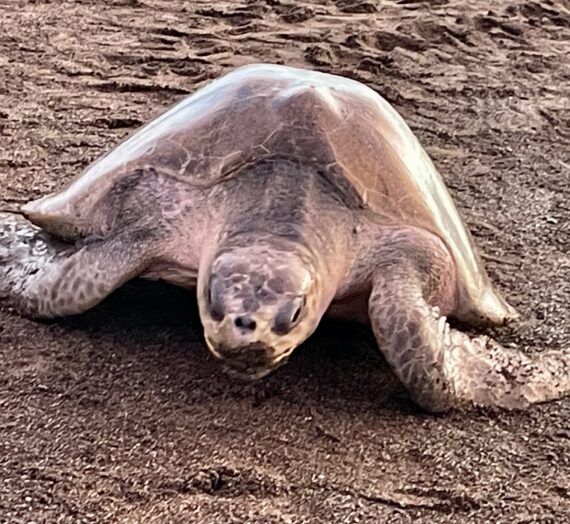
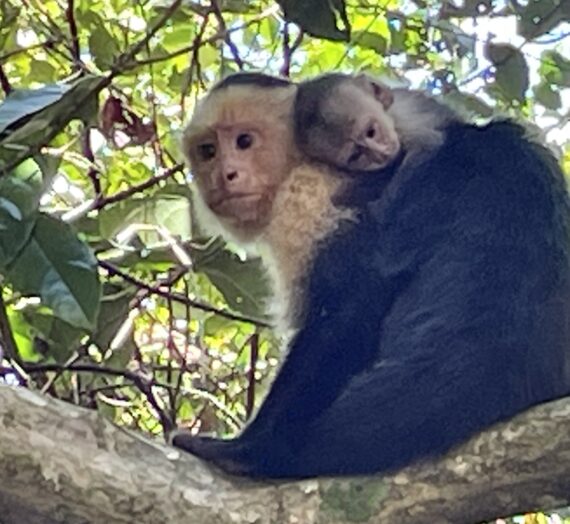
Here’s some photos of my few days on the Nicoya Peninsula experiencing a little of the Pura Vida lifestyle.


In my travels, I saw many elderly people walking the beaches, riding horses, working their land and playing with their pets. They’re living full and active lives. Currently on the remote Nicoya Peninsula, there are more than 900 people over 90 years of age; the Costa Rican government has had to plan their services for the fact that this area will be a Blue Zone for a long time to come. Pura Vida!
Marketing the Pura Vida Concept
In my travels, I also noticed something else. Some people from Costa Rica have discovered that they can sell the “Pura Vida” and long-life concept to others while making a killing for themselves. On the plane and at the airport, I saw magazines with articles and billboard advertisements referencing how “smart retirees could diversify their wealth and financial security by investing in a politically stable country like Costa Rica”.
Clearly, the political turmoil in the United States has definitely been a boon to their recent sales. As of 2025, it is estimated that 120,000 US citizens have moved to Costa Rica and there are significant populations of expats from Canada and Great Britain, too. Out on the Nicoya Peninsula, these investors are buying up large tracks of coastal and mountainous land to build their dream homes and lifestyle. I saw so many areas being developed for new condo complexes or gated communities. All of the advertisements announced something like this:
“Come live life as it was meant to be… healthy, connected, filled with simple joy. Pura Vida, every single day.”
Everywhere I turned, I also saw advertisements for medical tourism, which provides high-quality medical care and procedures at a much lower cost. And of course, to ensure the Pura Vida lifestyle, there’s a ton of beauty and health care products, health food stores, yoga studios, and massage parlors popping up too.


I started asking the locals how they felt about this invasion. They all said the same thing.
“It’s a good thing to have so much international investment.”
“It has infused a lot of money into our economy and raised up our quality of life.”
“Some of the expats have started private foundations or protected land in reserves, which are all really good things for the environment and our country.”
But…..
“People from other countries like to build big houses with tall fences and we can’t access the land or the forests anymore.”
“Many of these new communities are managed so that we are not allowed to buy into them or live there.”
“Many of these new communities are so expensive that we have no hope of ever living there. It has increased the price of everything in the area so it’s hard for us to grow our savings on our current salaries.”
“Many of the foreigners have brought drugs into our country or created a market for more drugs to be sold. We have more drugs in the streets now because of the international population.”
“Many of the foreigners come here with big ideas on how to change our communities. Everyone seems to have a lot of opinions.”
This was my first time to Costa Rica. It’s a beautiful country with lovely people. It’s clearly changing fast. How that will all play out for Costa Ricans and for the expats will be interesting to watch in the future.


Tracey
Hello Becky! Thank you for sharing your travels in Costa Rica. George and I are planning a trip in early July. I will look to your writings for key advice! I hope 2026 is wonderful for you. Please keep up your writing! Happy New Year!