
As I was researching places to visit in Brazil, the green rolling hills of Minas Gerais called my attention. This state was, and still is, a hotspot of mines extracting gold, silver and diamonds. It’s also known for its lovely colonial cities, cooler temperatures and good quality of life. So, I headed north out of Rio de Janeiro to learn more about this region.
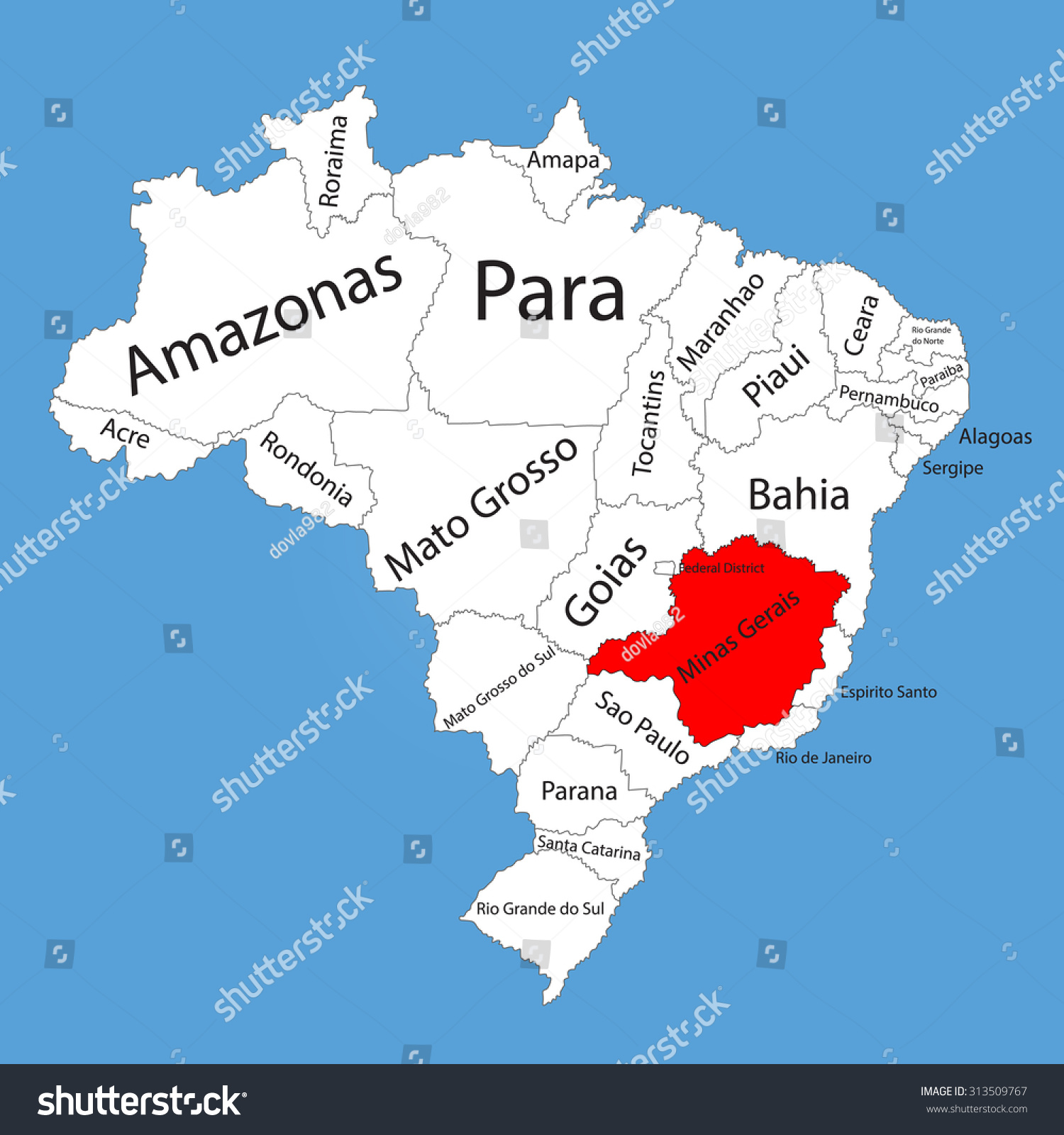
States of Brazil – You’ll notice that Minas Gerais is landlocked. This was done purposely by the Crown to keep control of the valuable resources coming out of the mines. In other words, all the minerals were shipped through different states to avoid corruption and loss of material.
It’s safe to say that the exploitation of the minerals and the exploitation of slave labor by the Portuguese Royalty shaped the entire history of this region. Once the ore was unearthed, it needed to be transported to the coast for shipment to the King of Portugal. To control the routes from the mines to the coast, several Royal Roads, or Estrada Reales, were built throughout the 17th and 18th centuries. Slaves built these stone-paved roads and then slogged the resources along them.
Along the routes, the need for resting places sprang up. Thanks to slave labor again, many of these communities became beautiful colonial villages boasting their wealth with mansions, government buildings and churches.
Brazil has done a good job preserving this history, the communities, and the ornate baroque architecture of the Colonial era. On my adventures through Minas Gerais, I visited two of these colonial cities and then the major port city for exporting the wealth along the coast further south.
Ouro Preto, Brazil
Ouro Preto, originally known as Vila Rica (Rich Town) was established in 1711. As wealth and people continued to pour in, local leaders officially founded it as the capital of the region, and changed the name. Ouro Preto is considered the location of the largest gold rush in the Americas, where they extracted over 800 tons of gold from the 1690’s through the 1750’s. The elaborate baroque architecture has been well-preserved and since 1980, the historic city has been on UNESCO’s list of World Heritage Sites.


Ouro Preto is known for having 13 significantly historic churches sitting high on hillsides throughout the city. It was fun to wander the cobblestone streets to each of their viewpoints.
Tiradentes
Tiradentes was founded in 1702 and later renamed for a hero of the Independence movement. It was situated along a Royal Road (Estrada Real) and was also an important colonial city in the gold-rush era. However, because it was more rural and not the capital like Ouro Preto, the architectural style is more simple and charming.


And who doesn’t love a city with horse carriages to ride!
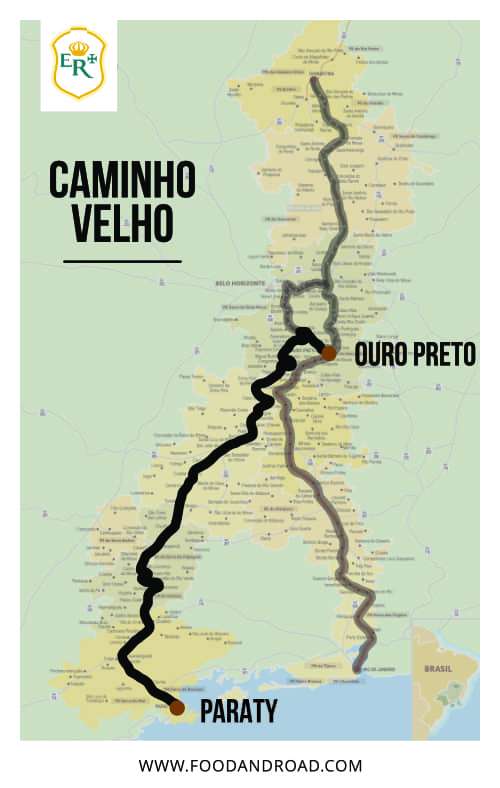
The first Estrada Real (Royal Road) called Caminho Velho was built to connect the mines of Ouro Preto through Tiradentes, and on to the port city of Paraty. This long route over the mountains aided the government in tightly controlling the road and the valuable minerals being transported along it.
Paraty
Paraty was founded in 1667, much earlier than the other colonial cities I visited. It is located much further south along the coast between Rio de Janeiro and São Paolo, Brazil. With the building of the Camino Velho, this port city became the primary port for exporting all the gold, silver and diamonds from the inland cities of Minas Gerais to Portugal. Therefore, Paraty also became a wealthy city during the gold rush, and an important connecting point for traditions, culture and food that traveled between the two regions. In 2019, it was named a UNESCO World Heritage Site for its culture, biodiversity and gastronomy.


Paraty is known as the “Venice of Brazil” as the streets often flood during high tide.
I enjoyed my days in all of these colonial villages, but it’s true, I was most excited to get to Paraty. It is here where I met up with my friend Priscila!
In 2023, Priscila and I worked at a Bed and Breakfast together in Valparaiso, Chile and she offered an open invitation to join her back in her home country of Brazil. For two days, we enjoyed Paraty: the beaches, a boat ride, and some traditional Brazilian cachaça, a drink made from fermented sugarcane!


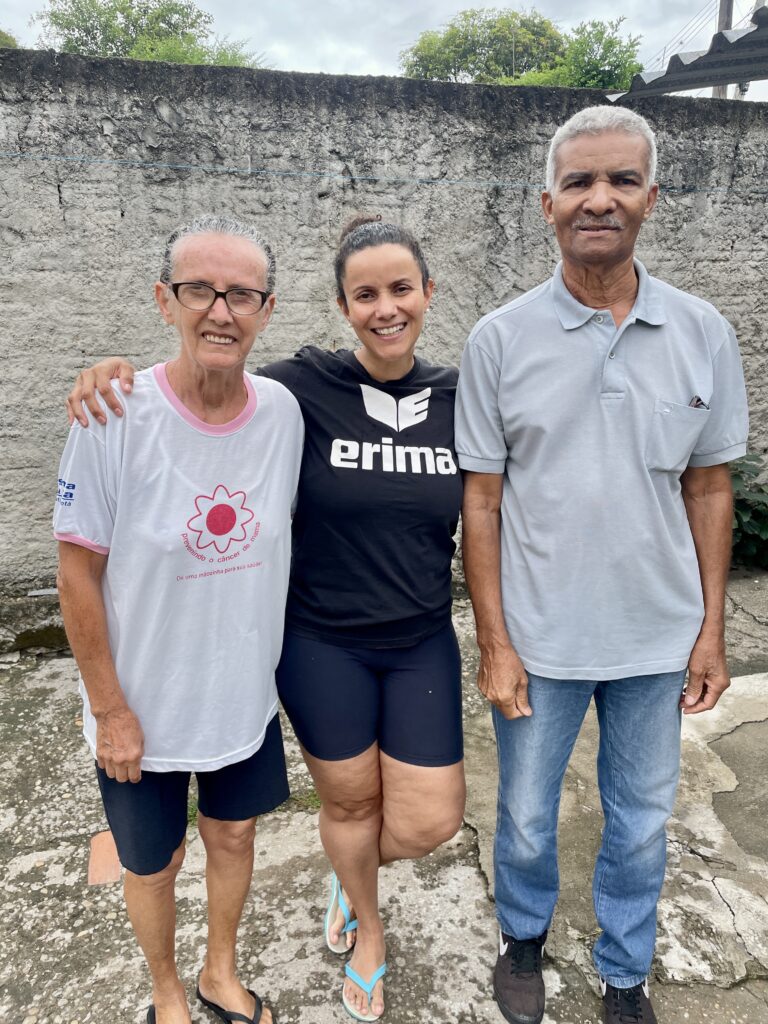
And then, on our last day together, Priscila invited me back to her home to meet her parents. Thank you to Priscila and her parents, Cleusa y Antenor, for being such lovely hosts. Even though I couldn’t speak Portugese, I enjoyed the experience immensely!

Tom
Yay! So glad you got to enjoy Paraty. We visited there during our Brazil trip and loved it. The highlight was a Brazilian cooking class where we stayed until 3 am, laughing, drinking, and eating with our chef hosts and fellow guests before stumbling home. Boa viagem!