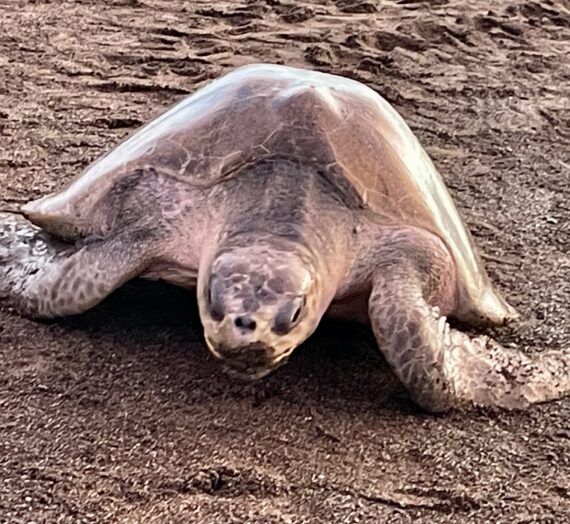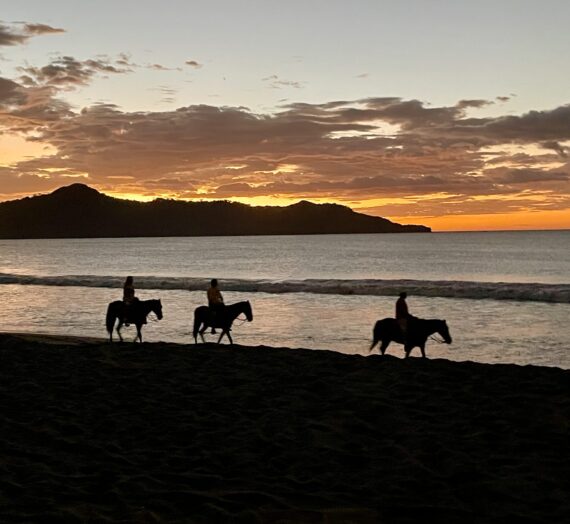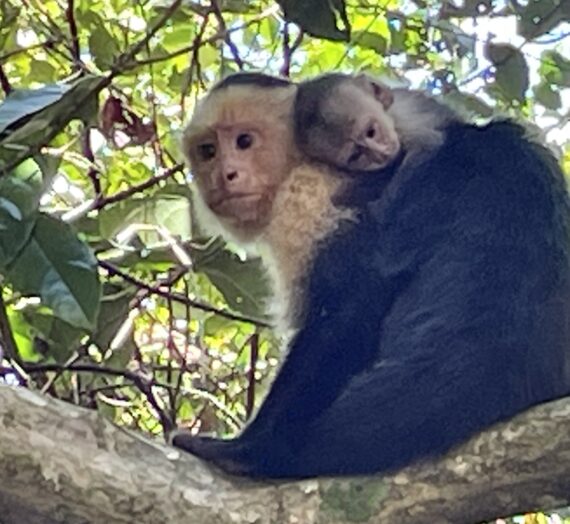
After three weeks in Costa Rica, I had many wonderful memories of adrenaline-filled adventures, wildlife encounters, amazing strolls in the forests, as well as sunsets and ceviche dinners on the beach. But when I travel, I also love to connect with the local foods.
Throughout my blog posts of the past, I have introduced my readers to the traditions and processing of Mate in Argentina, Pisco in Chile, Coffee in Colombia and Mezcal in Mexico. In Costa Rica, I could have toured a banana, coffee or palm oil planation, but something else seemed infinitely more interesting… Vanilla!


My tour of the Villa Vanilla plantation in Quepos, Costa Rica was really a treat. Upon arrival, our small group met Jenny, our tour guide and owner of the plantation. She began by telling the story of her Dad, a man named Henry Karcynski, who grew up in urban Chicago. In 1975, he joined the US Peace Corps and worked in agricultural development, continuing his career afterwards with USAID. Eventually this path led him to Costa Rica where in 1987 he bought a 65-hectare cow pasture and had the idea of starting a vanilla plantation.
Unfortunately, after a few years, a series of heavy rains and hurricanes destroyed his crops with a fungal disease. He realized that his monoculture methods did not allow the plants to become resilient to changing climate conditions. That’s when he started researching biodynamic practices to integrate and support whole ecosystem agriculture.
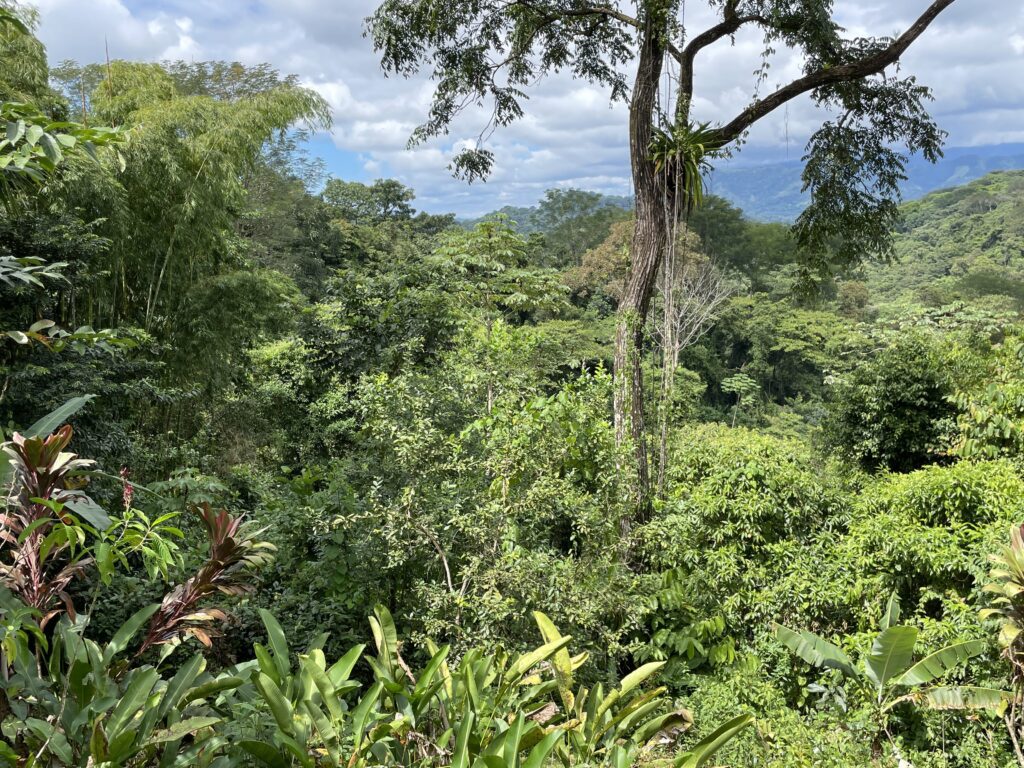
Since converting to biodynamic agriculture, his plantation, and now his children’s, is managed as an entire organism, with pollination and harvests occurring within nature’s rhythms and celestial cycles. They use compatible plantings and sustainable tropical practices to encourage beneficial microorganisms in the soil. These techniques have resulted in incredible vanilla production, as well as plant and animal biodiversity; the entire plantation is now a tropical forest for birds, monkeys and other animals, too.


According to Villa Vanilla’s website:
“Here at Villa Vanilla we see our farm as an integrated whole and a living organism in its own right. Opposed to conventional forms of agriculture where outside chemicals and fertilizers are added to the soil to assist plant growth, biodynamic agriculture seeks to understand and work with the life processes already present, enriching the soil from within. Healthy soil is a prime basis for healthy plants, animals and people.”
Along the tour, I learned that vanilla is the only orchid plant that produces an edible flower, it is native to Central America and Mexico, and is considered the most popular flavor in the world. Vanilla is quite expensive because cultivating and processing it is very labor intensive. Each vanilla plant only blooms for one morning, once per year. When this happens on a vanilla plantation, which aims for 100% success rate, workers need to be ready to manually pollinate the flower. The pods that form take nine months to grow and they are manually harvested when they turn yellow or reddish in color.


After the pods are harvested, they are dried and cured which causes them to naturally produce vanillin, the compound that gives the bean pods its flavor and scent.
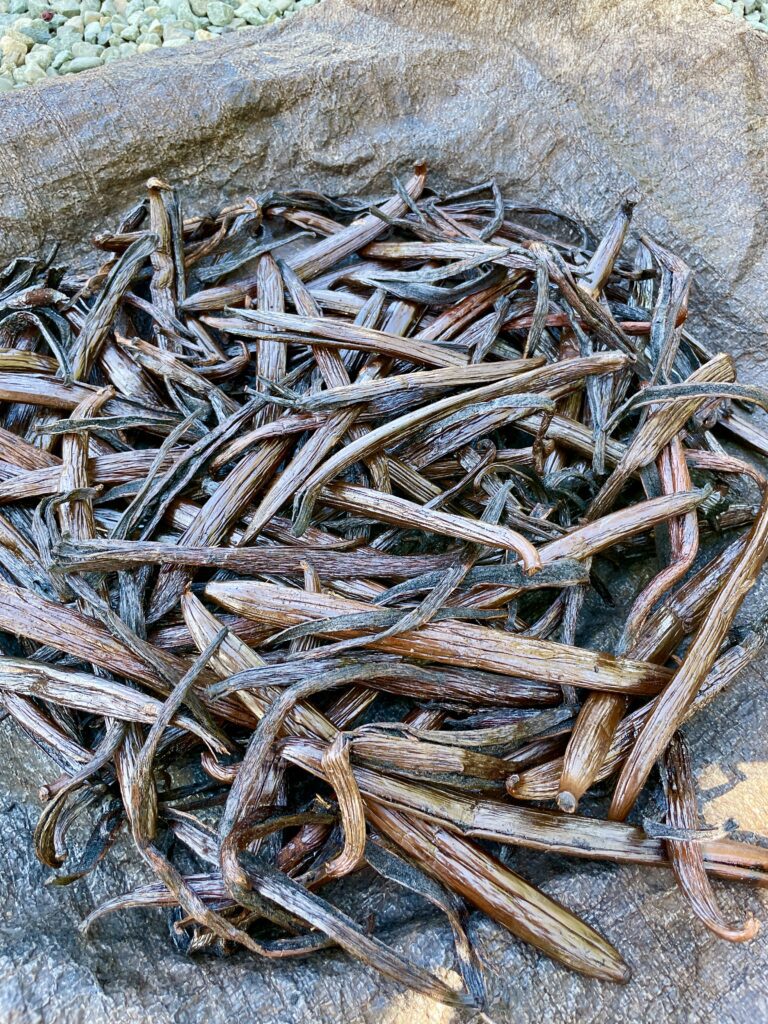
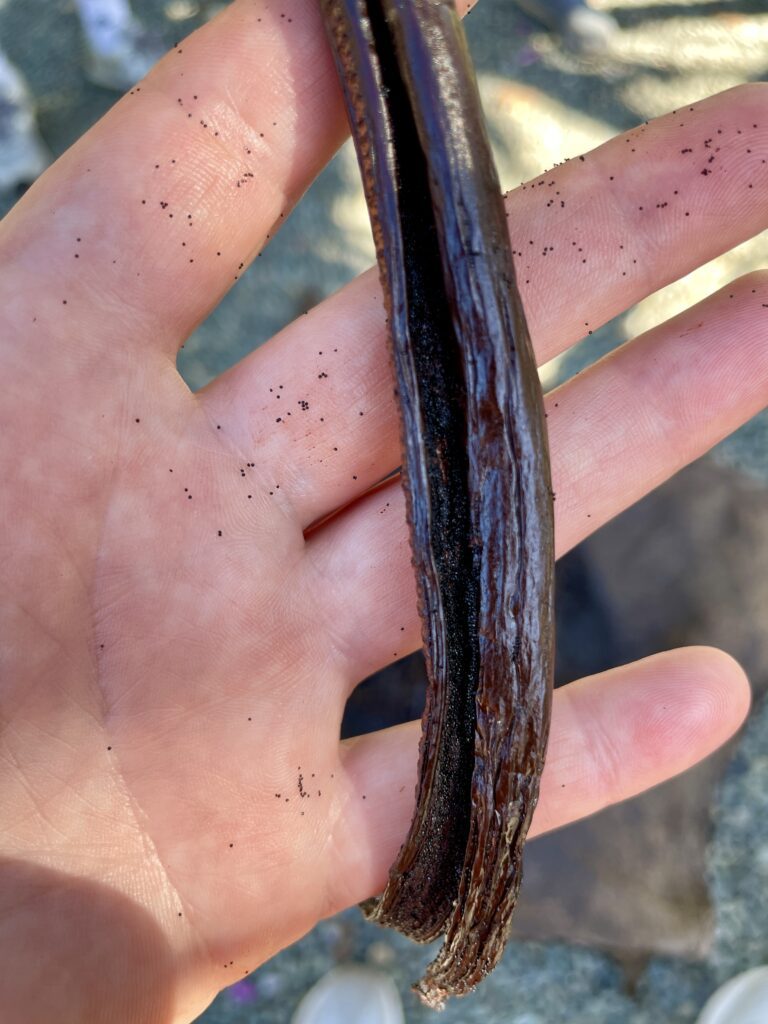
Inside each pod is thousands of black sticky specks- or seeds. These seeds, and the fleshy interior of the pod, is the pure vanilla that chefs oogle after for ice creams, flans and other desserts.
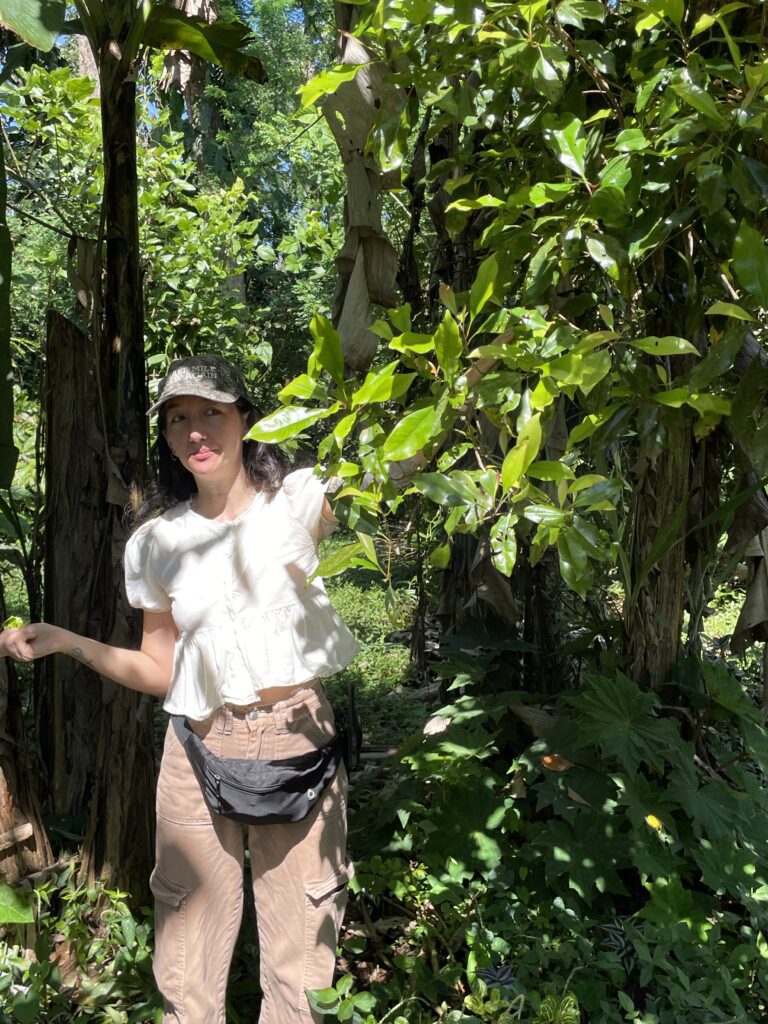
I loved walking in the cool shade of this tropical forest filled with tall trees, a variety of plants and so many other beautiful tropical flowers.


In addition to Vanilla, the plantation also cultivates and harvests small quantities of several other types of spices.
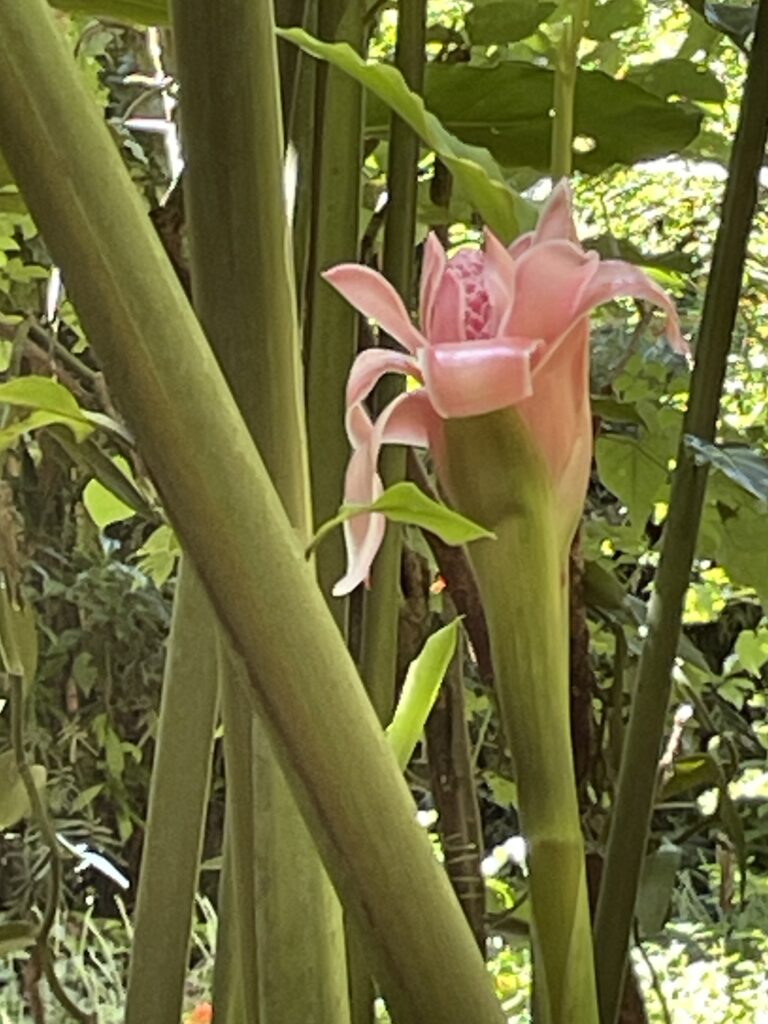
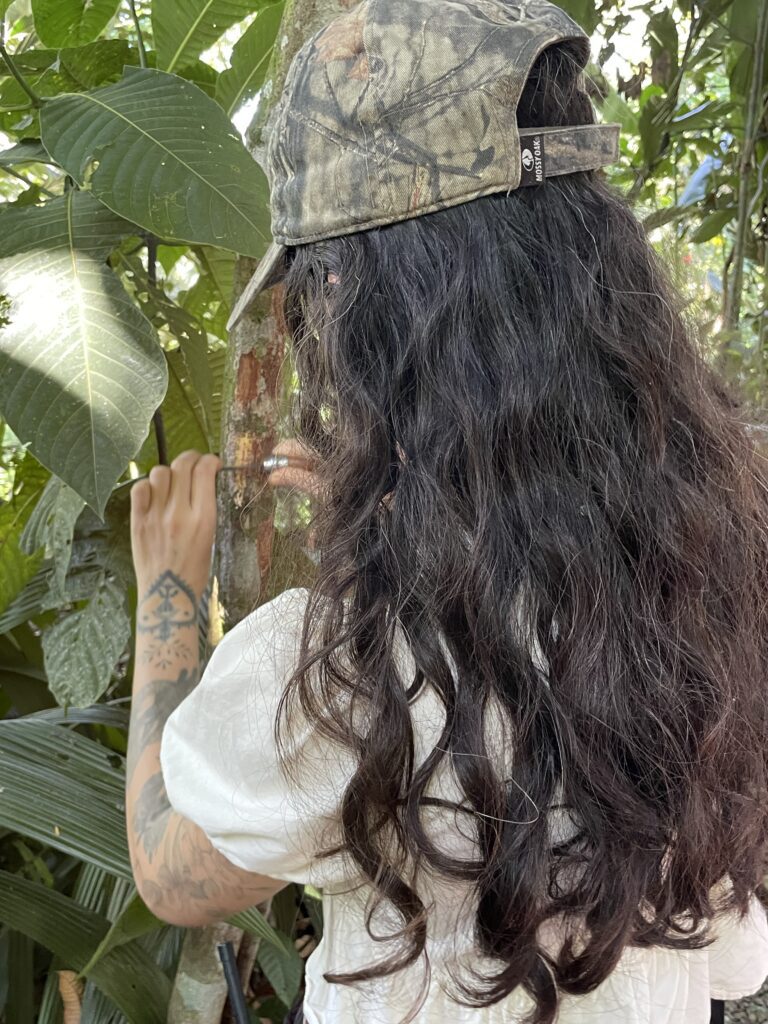
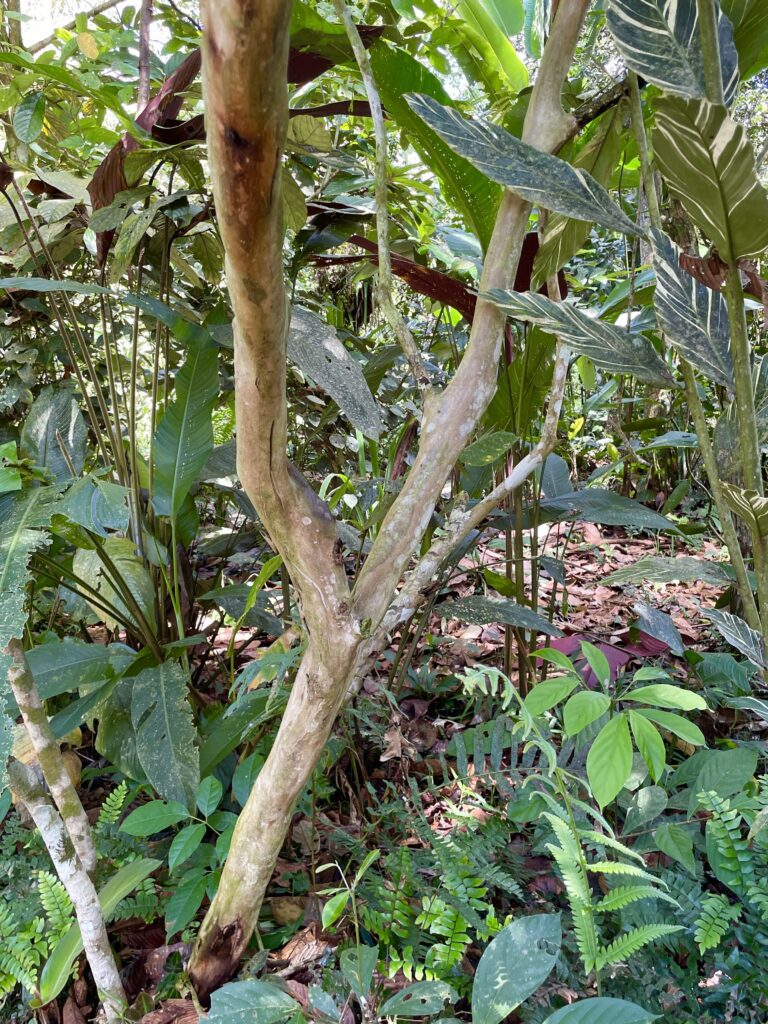
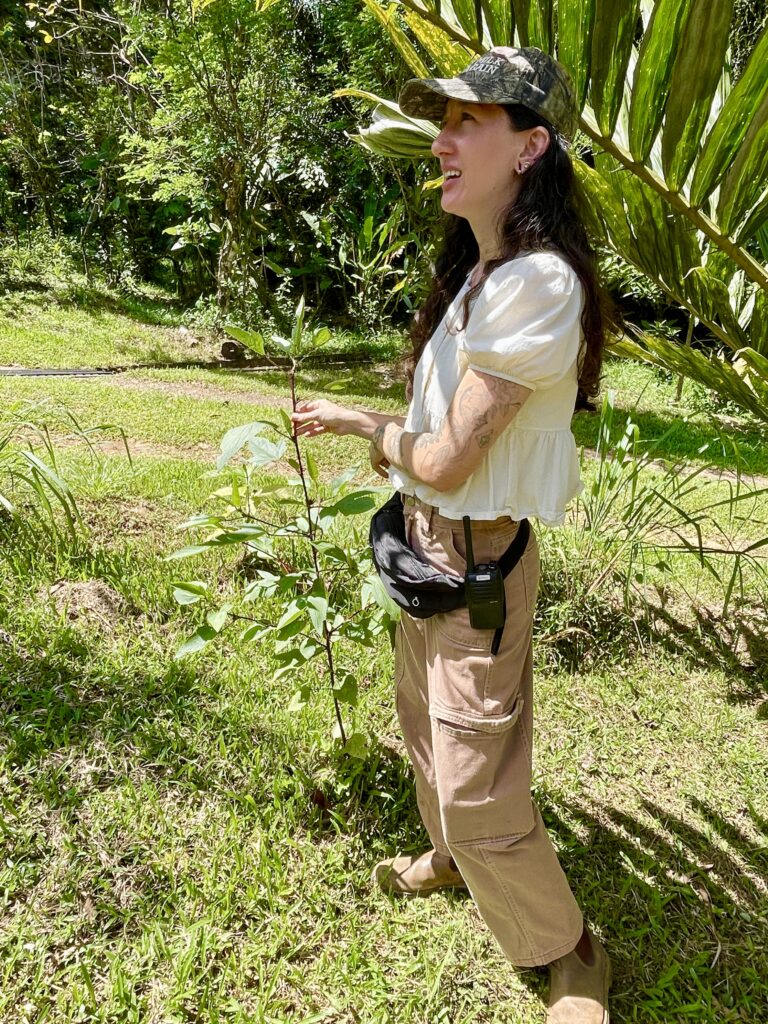
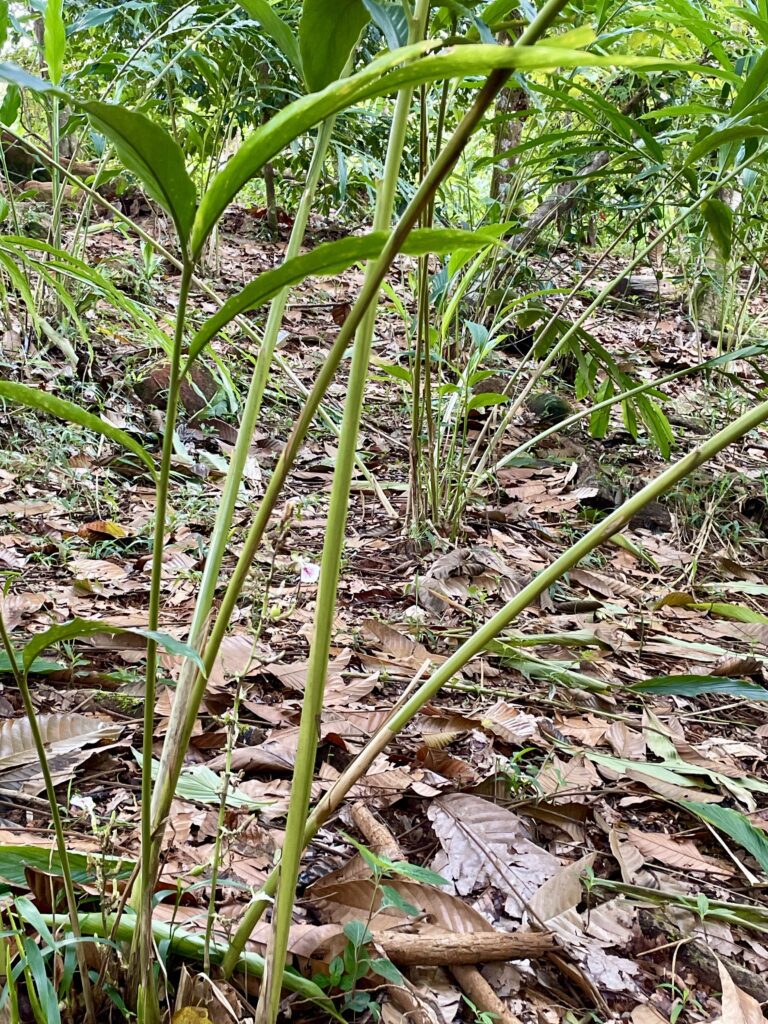


After learning about so many different types of spice plants, we were treated to some hot chocolate and desserts incorporating many of these flavors.


While pure vanilla is sought after and used by discerning chefs, vanilla extract is more common and accessible in home kitchens. In order to make extract, alcohol is used to extract the vanilla flavor from the bean pods. But producing pure vanilla extract is only half the battle. The other half is convincing the public that the cost of pure vanilla extract is worth the investment. It’s natural, it lasts forever and the alternative – imitation vanilla – is synthetically manufactured.
It’s true, I’ve been guilty of buying imitation vanilla for my baking needs, but after walking the grounds and learning about the production of vanilla in its natural habitat, I vowed to do my part in the future and buy pure vanilla and vanilla extract to support this important agricultural product.
Thank you to Jenny and Villa Vanilla for the wonderful tour and treats. I appreciate all you are doing for the flora and fauna of the tropical rainforest, and our planet!
For more information, products and tours of Villa Vanilla Plantation near Quepos, Costa Rica, checkout Villa Vanilla/ Rainforest Spices.